


If you feel like bouncing back from stress is getting more and more difficult for you, chances are that your vagus nerve is underactive. That’s why when the actual threat passes, such as an intense meeting at work or a difficult conversation with a partner, your mind and body just can’t calm down.
The vagus nerve reset exercises below support emotional regulation and stress recovery. With them, you can create conditions for your nervous system that signal safety and encourage the body to gradually return to balance.
Key Learnings
- Vagus nerve reset exercises help shift the body from a stress response into calm.
- Gentle practices such as breathing, cold exposure, sound, and movement can naturally stimulate the vagus nerve.
- Healthy vagal tone correlates with good emotional well-being, stress resilience, and physical health.
Vagus Nerve Reset Exercises to Help You Feel Calmer
The vagus nerve is the longest cranial nerve in the body. It connects the brain with key organs, including the heart, lungs, digestive system, and muscles involved in swallowing and voice.
Because of this wide reach, the vagus nerve plays an important role in the regulation of:
- Heart rate and blood pressure
- Breathing and blood flow
- Digestion and gut-brain communication
- Mood, attention, and emotional regulation.
When you’re under pressure, the sympathetic nervous system activates the fight-or-flight stress response. This is useful in the short term because it helps you respond quickly to the threat. Therefore, racing heart, shallow breathing, and tense muscles are all physical symptoms of stress that you can expect during these moments.
If your mind and body can’t bounce back from this stressful state once the threatful situation has passed, it may reflect lower flexibility in your stress regulation system, often called a "low vagal tone." This means it takes your nervous system longer to shift out of high alert and return to a state of calm.
How to Reset Your Vagus Nerve with Exercises
Below are 6 evidence-based ways to naturally activate the vagus nerve and achieve high vagal tone when practiced regularly.
“Slow healing means you heal at the pace your nervous system can actually handle, rather than at the pace dictated by your fear or perfectionism. It means you stop bullying yourself into protocols, routines, and upgrades that your body experiences as another form of attack.” — Allie Prosalova, Holistic Health Practitioner
You can easily incorporate these exercises into your personalized plan for a calmer mind.
1. Deep Diaphragmatic Breathing
Slow breathing activates stretch receptors in the lungs that send calming signals through the vagus nerve to the brain.
In one study, deep breathing exercises helped reduce stress, lower heart rate and blood pressure, and decrease muscle tension. Meanwhile, another study found that specific breathing patterns helped reduce fear and shakiness.
How to Perform the Exercise
- Place one hand on your belly and one on your chest.
- Inhale through your nose, letting your belly expand.
- Exhale slowly, longer than the inhale.
- Repeat for 2–5 minutes, taking a few deep breaths.
2. Cold Water Splashes and Contrast Showers
When you splash cold water on your face, you activate the diving reflex, a survival response that slows the heart rate and redirects blood flow to vital organs.
Cold exposure also promotes endorphin release, which supports mental health and calm, as well as the release of enzymes that improve nutrient absorption and digestion.
How to Perform the Exercise
Depending on the practice you’re most comfortable with, you can:
- Splash cold water on your face for 10–20 seconds.
- Press a cold towel to your face and neck for 1–2 minutes.
- Take a cold-contrast shower for 30–60 seconds, followed by a warm shower, and repeat 2–3 times.
- Try cold-water face immersion while briefly holding your breath.
3. Use the Power of Vocal Vibration
The vagus nerve controls the muscles of the throat and voice. When you sing, hum, or chant, you mechanically stimulate the vagus nerve through vibration, which low-pitch sounds create.
How to Perform the Exercise
- Sit comfortably.
- Use a low pitch (or chant as a part of meditation, which so many emotional regulation apps offer nowadays).
- Feel the vibration in your chest and throat (this means you’re doing the exercise right).
- Continue for 2–5 minutes.
4. Laugh
Laughter is one of the least ordinary but most natural vagus nerve exercises. Laughter mimics the diaphragmatic breathing, which, as we’ve learnt, helps signal safety to the body.
From a biological perspective, laughter reduces stress hormones like cortisol, improves blood flow, and helps release built-up tension and relax muscles.
So, meet with your friends to share funny stories or watch a comedy at home — anything that makes you laugh works.
5. Try a Cymba Concha Ear Massage
The cymba concha, which is the small inner bowl of the ear, just above the canal opening, directly connects to branches of the vagal nerve.
Gently massaging this area helps improve focus and enhance calm alertness as the exercise encourages parasympathetic activity. This is why athletes and high performers use ear-based vagus nerve stimulation tools to improve stress resilience and recovery.
How to Perform the Exercise
- Gently massage the inner ear bowl.
- Use slow, circular motions.
- Continue for 1–2 minutes per side.
6. Add Daily Movement to Your Routine
Ever heard of professional athletes with a lower resting heart rate? That’s because they have a better “trained” vagus nerve.
Meanwhile, adults who are not professional athletes (which means most of us 😉) need 150 minutes of moderate or 75 minutes of vigorous aerobic activity per week, along with a few strength training sessions.
Movement helps muscles release anti-inflammatory chemicals and supports gut health. Studies show that combining exercise with vagus nerve stimulation helps reduce inflammation and support immune balance, which is especially relevant for people with chronic inflammatory conditions.
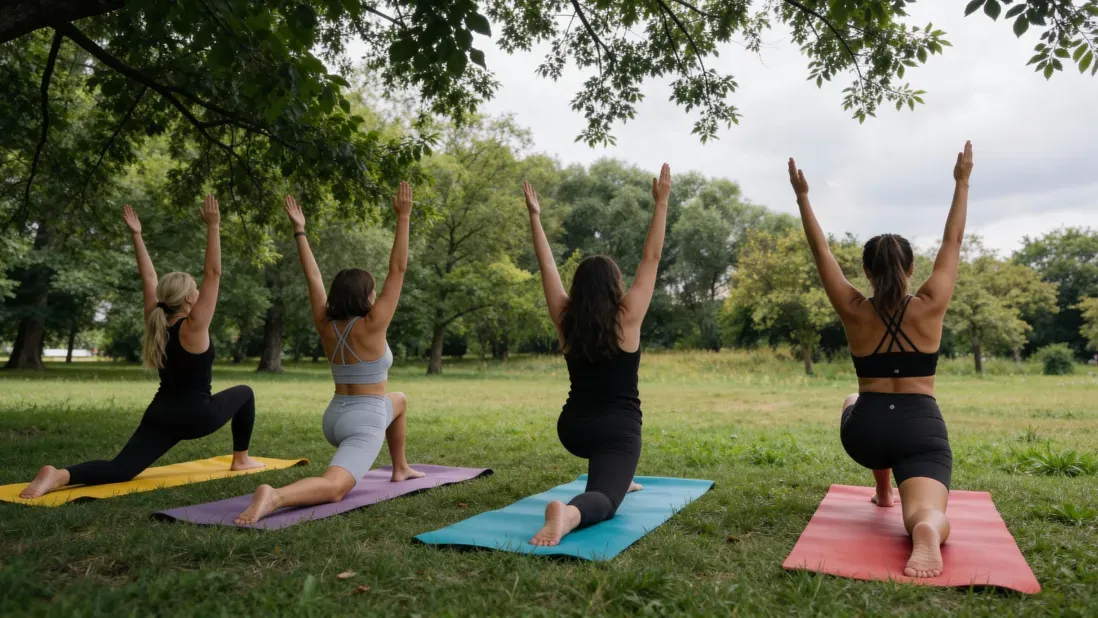
Yoga twists, forward folds, and moderate exercise are particularly effective for stimulating the vagus nerve.
Final Thoughts
Through breath, movement, and sound, you help your system shift out of survival mode and toward balance.
Even a few minutes of these simple practices each day can help your body become more flexible in its response to stress and encourage a calmer, more regulated state over time.
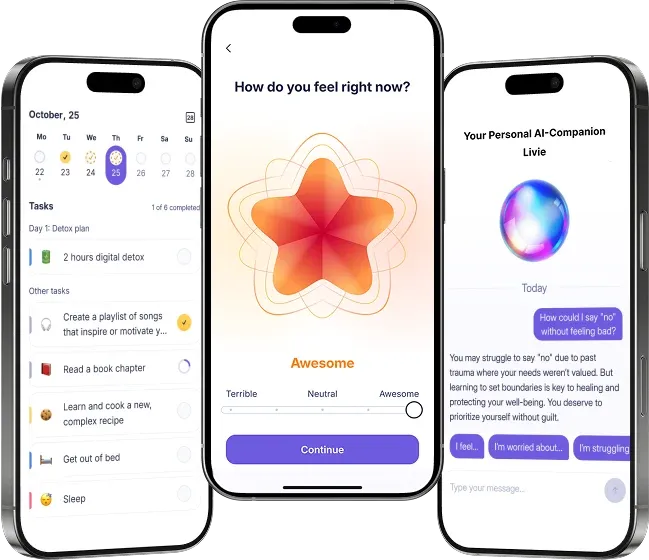
If you’d like to get more support for your daily mental health, you can download the Liven app (Google Play or App Store), get more insights on the Liven blog, or learn more about your current mental health state with Liven’s free wellness tests.
References
- Blanco et al. (2025). The vagus nerve: A cornerstone for mental health and performance optimization in recreation and elite sports. Frontiers in Psychology, 16. https://doi.org/10.3389/fpsyg.2025.1639866
- Da Silva et al. (2025). Role of physical exercise, vagal nerve stimulation, and vagotomy in inflammatory bowel disease. World Journal of Gastroenterology, 31(38), 111252. https://doi.org/10.3748/wjg.v31.i38.111252
- Ertürk et al. (2025). Effects of auricular vagus nerve stimulation vs. deep breathing on autonomic nervous system activity. Journal of Clinical Medicine, 14(4), 1046. https://doi.org/10.3390/jcm14041046
- Glenn, E. (2024). Yogic breathing, neuroscience, and public speaker anxiety. In The Routledge handbook of public speaking research and theory. Routledge.
- Van den Bogaert, F. (2024). The effect of transcutaneous cervical vagus nerve stimulation on the cardiac autonomic nervous system (Master’s thesis). Erasmus University Rotterdam.
FAQ: Vagus Nerve Reset Exercises
What are vagus nerve reset exercises?
What exercises reset the vagus nerve?
How does the vagus nerve affect anxiety and stress?
Can devices help reset the vagus nerve?