


Let's picture this: you have been training for half a year to run a marathon. It's the moment you've been waiting for across all those times when you were tired, demotivated, or just felt like doing something else. And now, after months of hard work, you are finally reaching the finish line.
That's how delayed gratification works, in essence. Delayed gratification is the ability to tolerate short-term discomfort or resist immediate rewards in favor of more substantial, longer-term benefits.
Research in cognitive-behavioral science indicates that this skill is closely linked to self-regulation, goal attainment, and overall well-being.
In this article, we’ll examine practical, real-world examples of delayed gratification and explore why strengthening self-control is critical for personal and professional growth.
Key Learnings
- Delayed gratification is a foundational self-regulation skill that strengthens focus, consistency, and long-term achievement across work, academics, finances, health, and relationships.
- Practicing impulse control yields measurable benefits in life, including enhanced academic success, improved financial stability, stronger professional performance, and better physical and emotional well-being.
- Delayed gratification can be learned and strengthened through emotional intelligence, breaking goals into smaller rewards, shaping your environment, and using supportive tools that reduce temptations.
Examples of Delayed Gratification in Work and Personal Life
Below are some key examples of how delayed gratification can be expressed across work and personal life. You may notice that you already use this skill more often than you realize.
📚 Work and Studying
Sustaining focus on long-term goals can be challenging, but research shows that consistently practicing delayed gratification is closely linked to personal and professional achievement.
- You finish your job task before opening social media.
- You complete a 25-minute deep-work block before taking a break.
In academic environments, delayed gratification can be understood as a self-regulation skill rather than a matter of willpower. Students are constantly negotiating between immediate relief (novelty, speed, shortcuts) and long-term reinforcement (mastery, retention, transfer).
💰 Finances and Savings
If there's one area where delayed gratification might be particularly challenging, it's money.
- You pause on upgrading a device when a newer model appears and redirect those resources toward a future priority that matters to you.
- You choose to set aside money for a larger, longer-term purchase rather than spending it immediately on short-term entertainment.
- You commit to setting aside a consistent amount toward your savings or investment goals, even when extra money becomes available, and spending feels tempting.
🏋🏼♀️ Health and Fitness
Physical health is often where impulse control is most challenged, because effort is required now while benefits accumulate slowly. You notice the impulse to choose the most comfortable option in the moment and instead take a small action that supports your well-being.
- On days when energy or motivation is low, you treat consistency as success, rather than judging the day by intensity or performance.
- After a setback or interruption, you resume health-supporting routines without framing the lapse as failure.
- When an immediately rewarding option competes with a health-aligned one, you choose the version that fits your current capacity while still moving in the direction you value.
💘 Relationships
While relationships are not always the first area people associate with delayed gratification, they are often where impulse control has the most significant impact.
- You prioritize being understood and emotionally safe over quickly settling into a connection that merely reduces loneliness.
- You allow trust and familiarity to develop at a sustainable pace, rather than accelerating closeness to relieve short-term discomfort.
- You engage in difficult or uncomfortable conversations when they support clarity, boundaries, and long-term relational health.
Why Is Delayed Gratification Important?
Sometimes, especially on bad days when everything feels like too much, we might ask ourselves: why should we reject the instant pleasure of a simpler life in favor of delayed gratification?
If motivation feels low today, self-control doesn’t have to mean pushing harder; it can mean choosing small actions that care for your future self.
1. Stronger Performance at Work
The ability to delay gratification is associated with stronger executive functioning, including skills such as planning, sustained focus, and impulse regulation, all of which are important to managing procrastination. Choosing long-term goals over immediate rewards can foster learning, enhance stress tolerance, and promote persistence in professional development.
Research also suggests that individuals with stronger self-regulation tend to show higher work engagement and, in many contexts, greater job satisfaction, likely because these skills support follow-through and a sense of competence over time (then you can link research).
While delayed gratification involves self-discipline, its primary effect is cognitive: it alters how we perceive effort and reward. This shift supports sustained attention, consistency, and follow-through on longer-term goals.
Jack Kelly's example of delayed gratification is inspiring. As a starting businessman, he managed to put aside his desire for immediate pleasure and instead worked hard to earn more money for his family later:
"I am appreciative of all of his hard work. It now affords me the opportunity to take care of my family and pursue new and exciting opportunities. There is less stress over money, which makes me more relaxed and happier."
2. Stronger Academic Success
The more we practice delayed gratification, the easier it becomes to accumulate achievements toward a larger reward over time. Research reveals that students who have strong self-regulation skills and avoid immediate gratification build essential abilities for the future:
"Academic delay of gratification helps students to orchestrate their academic progress, enactment of goals, task completion, and eventual academic achievement."
This study also describes delayed gratification as a perceptual shift. When you focus on self-control and recognize that the ultimate, greater reward is worth it, you become less interested in immediate temptations.
3. Impulse Control Brings Financial Responsibility
Behavioral economics highlights that impulsive spending often leads to financial stress, while delayed gratification is associated with higher savings rates and better long-term financial planning. People who keep a bigger reward in mind have a promising future retirement and save money for unexpected situations such as sudden illnesses or job loss. Additionally, they have the funds for entertainment that requires saving, such as vacations or hobbies.
Although there are moments when a small purchase can be a nice mood booster, avoiding excessive spending on immediate pleasure yields better long-term results. When studying the role of delayed gratification among young adults, Siegfried and Wuttke found that teaching delayed gratification improves students' ability to save money and avoid impulsive spending.
4. Delay of Gratification Ensures Stronger Health
Many aspects of our health, such as an improved mood, lower stress, or increased physical fitness, stem from habits that reward consistency over immediate gratification. Choosing mindful self-control and accountability in nutrition and exercise leads to a more fulfilling lifestyle and better health.
Delaying gratification is more than just saying "no" to things we consider fun, such as choosing to finish a challenging assignment before scrolling social media. It's also about placing value on your well-being and remembering the future rewards: having a strong heart, being able to play games with your children, and enjoying exciting sports activities.
A Blast From Social Psychology's Past: The Marshmallow Test
It's impossible to discuss delayed gratification without mentioning the Stanford marshmallow experiment, also known simply as the "Marshmallow test." In 1970, a psychologist Walter Mischel experimented on the role of attention in delayed gratification. Preschool children could choose an immediate reward of one marshmallow or, if they were able to resist temptation, a reward of two marshmallows or a pretzel stick.
However, it is future research that has made the most significant impact on our understanding of social psychology and the value of self-regulation for life success. Years later, the experimenter returned with follow-up studies to explore the deferred gratification in more detail. As it turns out, a stronger ability to delay gratification was associated with children developing better psychological resilience and academic achievement (including higher SAT scores), social competence and adaptation, and effective cognitive strategies. Participants who waited longer showed better social, cognitive, and emotional outcomes than those who waited shorter periods.
Although not every study on instant gratification yields the same striking results, the marshmallow test has demonstrated that delayed gratification can be taught from an early age.
Developing Your Ability to Delay Gratification
If you want to develop your ability to delay gratification and focus on long-term benefits in your life, here are a few strategies and tools that might help.
Break the Long-term Goals Into Smaller Wins
We often crave a sense of immediate reward after making progress. Relying solely on distant, delayed rewards can feel discouraging and reduce motivation.
A more effective approach is to break a larger goal into smaller milestones and give yourself a small, meaningful reward after each step. This allows you to satisfy the need for immediate reinforcement while still working toward lasting change.
Use Emotional Intelligence for Delayed Gratification
This quick practice strengthens self-control (managing impulses) and ego resiliency (staying flexible under stress).
Pause when an urge arises. Ask yourself: "What emotion is driving this urge?"
For example, if you suddenly want to watch TV instead of working on an essay, notice whether it’s boredom, fatigue, or stress prompting the desire for immediate relief.
- Label the feeling. Simply saying to yourself, "I feel bored,” or “I feel frustrated," can reduce the intensity of the emotion.
- Redirect your focus. Ask: "What action benefits me in the long term?" Practice delaying the immediate reward for 2–5 minutes before acting.
Each time you pause, label an emotion, and redirect your focus, you strengthen the neural pathways that support flexible decision-making.
Remove the Instant Gratification Source
Sometimes, we overestimate willpower and underestimate our environment. It's easier to work around our pull.
Want to browse social media? Put your phone in another room. Keep looking at the treat you plan to eat only after the gym? Put it out of your direct line of sight.
Use the Tools to Help You With Self-Control
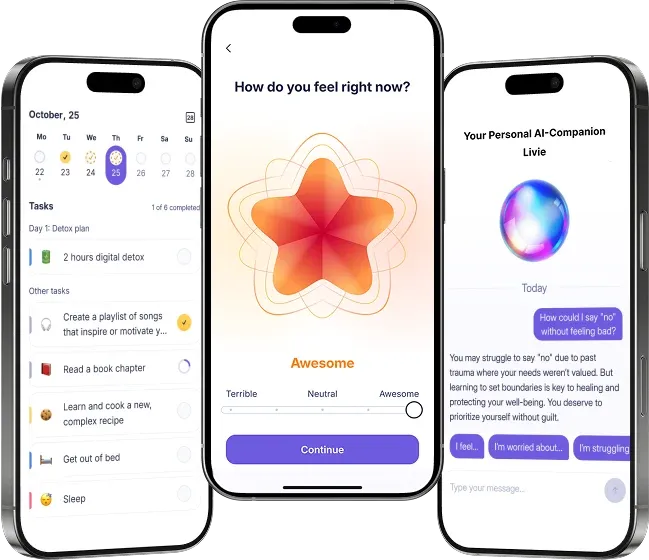
Here's a quick list of apps to help you with instant gratification:
If you want more tools, check out our article on the top 10 best procrastination apps.
Final Thoughts
In the end, delayed gratification isn’t only about the big reward at the finish line. It’s about noticing your own growth-the progress you make, the skills you build, and the resilience you develop along the way. Practicing self-control can feel challenging at first, but even one small decision matters.
By choosing a single meaningful long-term goal, you can start to shift your habits, build momentum, and reshape how you approach challenges in everyday life.
References
- Ayduk, O., Mendoza-Denton, R., Mischel, W., Downey, G., Peake, P. K., & Rodriguez, M. (2000). Regulating the interpersonal self: Strategic self-regulation for coping with rejection sensitivity. Journal of Personality and Social Psychology, 79(5), 776–792. https://doi.org/10.1037/0022-3514.79.5.776
- Bembenutty, H. (2009). Teaching effectiveness, course evaluation, and academic performance: The role of academic delay of Gratification. Journal of Advanced Academics, 20(2), 326–355. https://doi.org/10.1177/1932202x0902000206
- Caleza-Jimenez, C., Yañez-Vico, R., Mendoza-Mendoza, A., Palma, J. C., & Iglesias-Linares, A. (2017). Impact of delayed gratification on oral health and caries status in the primary dentition. Journal of Dentistry, 63, 103–108. https://doi.org/10.1016/j.jdent.2017.06.001
- Farhana, A. (2025). Financial behavior and its association with impulsive buying behavior: An empirical analysis on Gen Z and Millennials. Journal of Artificial Intelligence and Digital Business, 4(4), 194–199. https://doi.org/10.31004/riggs.v4i4.3230
- Gschwandtner, A., Jewell, S., & Kambhampati, U. S. (2021). Lifestyle and Life Satisfaction: The role of delayed gratification. Journal of Happiness Studies, 23(3), 1043–1072. https://doi.org/10.1007/s10902-021-00440-y
- Kelly, J. (2024, September 5). One of the best ways to succeed that nobody ever talks about. Forbes. https://www.forbes.com/sites/jackkelly/2018/10/12/one-of-the-best-ways-to-succeed-that-nobody-ever-talks-about/
- Mischel, W., & Ebbesen, E. B. (1970). Attention in delay of gratification. Journal of Personality and Social Psychology, 16(2), 329–337. https://doi.org/10.1037/h0029815
- Mischel, W., Shoda, Y., & Rodriguez, M. L. (1989). Delay of gratification in children. Science, 244(4907), 933–938. https://doi.org/10.1126/science.2658056
- Ren, Y., Tang, R., & Li, M. (2022). The relationship between delay of gratification and work engagement: The mediating role of job satisfaction. Heliyon, 8(8). https://doi.org/10.1016/j.heliyon.2022.e10111
- Shoda, Y., Mischel, W., & Peake, P. K. (1990). Predicting adolescent cognitive and self-regulatory competencies from preschool delay of gratification: Identifying diagnostic conditions. Developmental Psychology, 26(6), 978–986. https://doi.org/10.1037/0012-1649.26.6.978
- Siegfried, C., & Wuttke, E. (2021). What influences the Financial Literacy of young adults? A combined analysis of socio-demographic characteristics and delay of Gratification. Frontiers in Psychology, 12. https://doi.org/10.3389/fpsyg.2021.663254
- Wilkins, B. (2022, July 3). Erika Rischko, 82, went viral with TikTok workout challenges. Women’s Health. https://www.womenshealthmag.com/uk/fitness/workouts/a40474955/erika-rischko-tiktok-exercise/
FAQ: Delayed Gratification Examples
What is delayed gratification?
How does delayed gratification affect a person's ability to achieve goals?
Does playing video games impact delayed gratification?
Why are there individual differences in delayed gratification?
How can delayed gratification help me achieve goals in daily life?
Is delayed gratification always better than taking a short-term reward?