Habits to Improve Mood: Small Steps for Improved Emotional Wellness



Reviewed by
Tara Passaretti, M.S., LMHC


Did you know the brain naturally relies on familiar, soothing routines to help you feel safe and regulated? You walk in the door at 8 PM after a stressful day and reach for a bag of chips without a second thought. Or you sink into the couch and start another episode because it feels familiar, and your brain knows exactly how to get that quick hit of relief and comfort.
But here’s the thing: not every mood-boosting habit is actually good for you in the long run.
Here are seven evidence-informed habit categories that support emotional well-being. Choose one practice from each area, or begin with a single manageable habit and observe its impact over time.
Key Learnings
- A commonly accepted model of habit formation is the “habit loop”: a cue (trigger) → routine (behavior) → reward (outcome) sequence.
- Movement, sleep, mindfulness, learning, time in nature, nutrition, and social connection each play distinct and evidence-based roles in regulating mood and supporting emotional well-being.
- Research suggests that consistent, sustainable habits and routines contribute more reliably to mental health, well-being, and long-term positive outcomes than sporadic or perfection-driven efforts.
How Do Habits Form?
Think of habits as part of a predictable cycle your brain runs automatically. A cue (like a situation, time of day, or emotional shift) triggers an urge, the internal pull to act. That urge leads to a behavior, and the outcome of that behavior, such as relief, teaches your brain whether to repeat it in the future.
- Cue: a context or emotional state that starts the loop
- Urge: the automatic impulse that follows (habit)
- Behavior: the action taken
- Outcome: the emotional or physical result that reinforces (or weakens) the habit
Research supports the idea that habits form as a loop (Cue → Behavior →Outcome/ Reward), and that over time the brain begins to anticipate the outcome, which can drive an internal urge or craving.
Example of a habit loop in action:
- Cue: entering the kitchen at 8 PM.
- Urge: the automatic mental pull (anticipatory reward).
- Behavior: grabbing a snack.
- Outcome: brief emotional relief or comfort.
Your brain doesn’t form a habit around the snack; it forms a habit around the urge triggered by the cue, because that’s what becomes automatic.
Also, old habits don’t entirely disappear, even when you’ve worked hard to change them. Research on habit learning indicates that the brain retains the original cue-behavior associations in the basal ganglia, even after new habits have formed. This means that when you encounter a familiar cue, the old pattern can automatically resurface.
So if you suddenly crave a burger just because you walked past a McDonald’s, it doesn’t mean you’re “slipping.” It simply means that your brain recognized an old cue and momentarily activated a previously established habit pathway.
Now, let’s move on to the daily routine habits that improve mental health and how to ensure they become a lasting habit.
🥗 Nutritious Foods for Mental Wellness
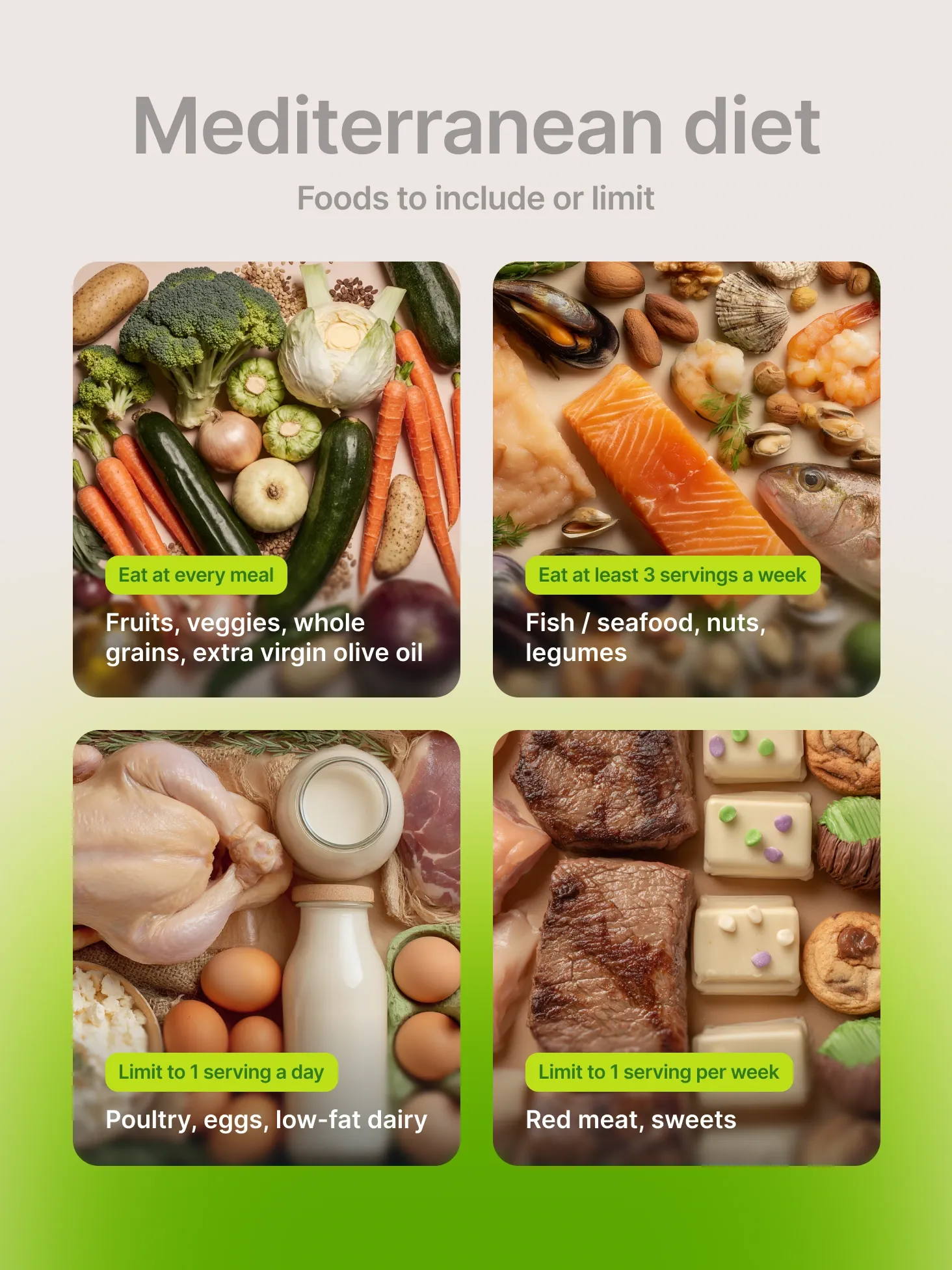
What you eat influences your mood and mental health more than you think. For example, diets high in processed sugars can leave you feeling foggy and overwhelmed, while nutrient-dense meals, such as a Mediterranean diet, help stabilize your mood and lower rates of depression. One of the meta-analyses in molecular psychiatry reviewed 41 studies (over 36,000 participants) and found that higher adherence to a Mediterranean diet was consistently linked to a reduced risk of depression.
✅ Plan a balanced plate: protein + veggies + healthy fats
✅ Choose whole grains over refined carbs
✅ Swap processed snacks for nuts or fruit
✅ Add fermented foods (yogurt, kefir, kimchi), omega-3-rich foods (salmon, walnuts, chia), or any other healthy foods you want to enrich your diet with
✅ Limit alcohol for better mood stability
How to Make the Habit Stick
1. Start Small
It’s in the nature of the human brain to choose the shortest way to a reward. That’s why to make the habit stick, you should simplify it as much as possible. As for food, think of pre-cut veggies stacked in a fridge for an easy meal prep during a busy week; washed fruit in a bowl on your desk for quick snacking, or single-serve nuts in a bag.
The key rule is to have ready-to-go food options that reduce decision fatigue.
2. Anchor to a Cue
As you remember from the previous section, cues matter. Keep your fresh produce visible, keep a glass of water within reach while working, and store unhealthy foods and beverages out of sight. Repeated exposure strengthens the habit loop. Gradually, this will help you build an automatic habit to eat well, as your brain will expect to ‘see’ those cues in the environment and act upon them.
3. Focus on Consistency
Repetition strengthens the habit loop more than occasional intense effort. Missing a day doesn’t mean failure. On those days, think low-carb: add one fruit at breakfast, a handful of nuts at lunch, or a side of vegetables at dinner.
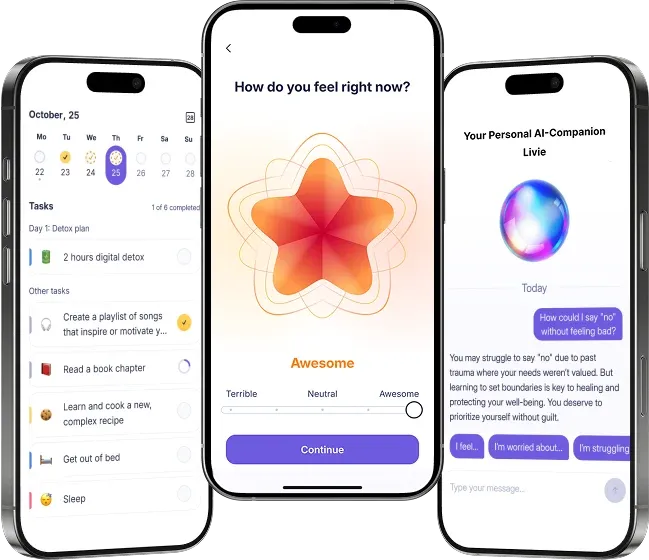
You can also use a mental health app like Liven, which can help you build a "dopamine menu" and schedule options to improve your mood.
🚴🏾 Physical Activity & Movement
Even the shortest movement sessions can improve mental health, reduce stress, and give you more energy, especially once you make them a part of your personalized dopamine management plan.
Choose a habit from the list:
✅ Add “movement breaks” throughout your day (short periods of physical activity)
✅ Try at-home yoga/stretching
✅ Take the stairs (depends on your activity level, be gentle)
✅ Take your phone calls while pacing or standing
How to Make the Habit Stick
1. Do What You Love or Like
How can you build a healthy habit if you sincerely hate it? No need to buy an annual gym membership if you’re not a fan of strength training. Take the pressure away and choose activities that make you feel good.
You can even make a list of everyday physical activities to choose from. It might include walks in the park, gentle stretching, yoga, home pilates sessions (there are multiple options for beginners on YouTube), and other activities you genuinely enjoy.
2. Make Movement Easier
Again, the easier it is to act on the habit, the more likely your brain will do so. Lay out workout clothes the night before, keep the equipment visible in your room, or create an "activity corner" if you’re working out at home.
3. Use Motivation Loops
Motivation loops work because your brain learns to associate cues and actions with satisfying outcomes, making the habit self-reinforcing over time. This means music playlists, habit trackers, or accountability partners. It’s easier for your brain to start loving and, hence, anticipating the habit if it links movement with pleasure or accomplishment. Oh, you can even celebrate streaks or micro-wins to keep that motivation going.
🧘🏽♀️ Mindfulness, Gratitude, & Self-Reflection
Mindfulness practices, such as meditation, yoga, and body scans, help you ground yourself in the present moment, reduce anxiety, and cultivate a positive attitude towards life.
Choose a habit:
✅ Try a 3-minute evening reflection journaling
✅ Write a daily gratitude list with 1 thing you’re grateful for
✅ Do digital detox blocks
✅ Practice emotional check-ins throughout the day
✅ Add 15 minutes of breathwork, meditation, body scans, or Yoga Nidra to your routine
How to Make the Habit Stick
1. Don’t Overcomplicate It
You don’t need long, intimidating routines; better opt for tiny but consistent sessions. For example:
- Journaling: Write 2–3 lines about your thoughts
- Micro-meditation: 1–2 minutes of focused breathing (add link here)
- Movement: 5 squats or stretches while brushing your teeth or dancing to a favorite song.
- Nature: Step outside for fresh air or sunlight for 2–5 minutes.
2. Create a Mindfulness Environment
Set up a quiet corner, light a candle, or designate a journaling space. These visual cues signal the brain that it’s time to unwind and reflect. Other than that, you can turn on a calming playlist, dim the lights, and cover yourself in a warm blanket for a more soothing wind-down.
3. Pair It With an Existing Routine
Attach mindfulness rituals to routines you already have: pair morning pages with a cup of coffee, journal before going to sleep, or micro-meditate on your lunch break in the park. This helps your brain form the habit more quickly.
😴 Sleep and Routine
Multiple studies show that good sleep supports mental wellness, improves mood, and protects both mental and physical health.
Choose a habit:
✅ Stick to a consistent sleep/wake schedule
✅ Create a 30-minute nighttime wind-down
✅ Get 10 minutes of morning sunlight
✅ Choose sleep-supportive foods in the evening. Instead of caffeine or heavy meals late at night, opt for light, nutrient-rich snacks that promote restful sleep
✅ Use a sleep playlist for better relaxation
How to Make the Habit Stick
Remember, a calm night starts long before bedtime.
1. Protect Your Sleep Window
Maintaining a consistent sleep schedule helps your brain know when it’s time to rest and wake up. This might mean setting boundaries when social plans run late, work demands extend unexpectedly, or digital devices keep you up past your usual bedtime.
2. Build a Relaxing Routine
Bedtime rituals, such as gentle stretching, reading, or a warm shower, can help relax your mind and body, and over time, make your wind-down routine nearly automatic.
3. Use Circadian-Friendly Cues
Simple things, such as light exposure and the smell of fresh coffee in the morning, as well as reduced screen time and dim lights in the evening, are subtle yet powerful cues. For instance, when you open curtains in the morning, the light tells your brain it’s time to start the day. The same happens when your dim lights in the evening: it signals your brain that it’s time to unwind.
You can also add a touch of aromatherapy, such as a lavender candle or a chamomile pillow spray, to create a predictable sensory cue.
📚 Learning Something New
Learning and cognitive stimulation support “cognitive reserve”. That means your brain develops flexibility and resilience, which helps maintain memory, reasoning, and emotional stability even as you age.
Meanwhile, improved cognitive function supports emotional regulation. When thinking, memory, and processing remain sharp, individuals are better equipped to manage stress, adapt to change, and maintain a stable mood. Studies of cognitive stimulation in MCI populations report not only mental but also psychological benefits to well-being.
Choose a habit:
✅ Practice a new language daily for 5-10 minutes (apps like Duolingo help with that)
✅ Do a creative hobby (drawing, music, crafts)
✅ Take an online mini-course on a subject that interests you
✅ Read 10 pages of a book (you can make it a part of your bedtime routine)
✅ Watch educational videos or TED talks to reduce doomscrolling or start a course on anxiety management with a mental health tool like Liven
How to Make the Habit Stick
1. Use Micro-Learning Sessions
Long sessions might feel pretty exhausting to your brain. In contrast, short sessions (for instance, learning a new language with an app takes only 3-5 minutes a day) are re-energizing and easily maintain that inspiration.
2. Keep It Fun, Not Forced
Choose topics or skills that excite you. If a language app or an online course starts to feel like homework, your brain will resist. Most often, it will take a bit of tinkering before you find that sweet spot where the amount of time you spend learning something new doesn’t tire you out. Just pay attention to how you feel and adjust accordingly.
3. Track Progress Visually
Apps like Streaks definitely make the job easier, but a pen-and-paper method also works. Why is this important? When you record your progress by checking a box, making a mark, or logging an activity, your brain experiences a small reward. This positive feedback reinforces the behavior, strengthens the habit loop, and increases the likelihood that you’ll repeat the activity in the future.
💬 Social Connection
Research shows that even small acts of consistent daily connection (especially face-to-face interactions) with friends or loved ones protect mental health, reduce stress, and act as mood boosters.
Choose a habit from the list:
✅ Send a daily message to someone you care about
✅ Check out your local library for free classes, clubs, or groups.
✅ Do small acts of kindness, such as offering to help a neighbor carry groceries
✅ Plan one social activity in advance each week
✅ Express appreciation regularly to your friends, family members, and colleagues
How to Make the Habit Stick
1. Automate Your Social Habits
We mean technology here. Use calendar reminders like “call mom,” “send a voice note to friends,“ or block out a recurring "social hour"/connection time" on your calendar. The more you automate, the less decision fatigue you’ll have.
2. Use Low-Effort Check-Ins
Short texts, emojis, or voice notes help you maintain connections with minimal effort. These low-effort actions don’t require large amounts of time and fit easily into a busy life.
3. Remember to Prioritize Self-Care
Taking care of yourself isn’t selfish; it’s essential. Regularly check in with your physical, emotional, and mental needs. Simple actions, like resting when tired, setting boundaries, or doing something you enjoy, strengthen resilience, support emotional regulation, and help you show up more fully for yourself and others.
🌱 Daily Outdoor Habits to Improve Mood Year-Round
Spending time outdoors helps restore attention and focus, improve short-term memory, and boost problem-solving creativity.
Choose a habit from the list:
✅ Aim for 20-30 minutes of outdoor time daily
✅ Take long walks in nature on weekends
✅ Start caring for a houseplant, or if able, start a garden!
✅ Sit outside with your favorite soothing drink or lunch, or near an open window in the kitchen
✅ Try "green" exercises or forest therapy, also called shinrin-yoku
How to Make the Habit Stick
Light, movement, and fresh air are the simplest complementary therapies you can give yourself.
1. Make Outdoor Time a Part of Your Daily Routine
Make daily walks a part of your commute or lunch breaks. Even brief breaks in nature can improve mood, reduce stress, and enhance mental wellness. If you have to take a phone call or read a document, do it near an open window or step out onto a balcony or porch.
2. Adjust for Weather & Seasons
It can be a challenge during the colder months. However, tweak your routine to make it work for you, such as adding a layer or maybe a more brisk walk/shorter time outside.
On days with extreme weather, however, opt for indoor-outdoor substitutes. Spend 15 minutes near a large, sunny window or sit on a covered balcony or porch to get some light exposure and a change of scenery.
These minor adaptations ensure nature stays a reliable source of positive feelings and healthy lifestyle habits for you throughout the entire year.
3. Use Nature as a Sensory Reset
Add mindfulness to your daily nature walks. For example, try a 5-4-3-2-1 grounding technique while in a park or forest: name 5 things you can see (the shape of the clouds or the color of a tree); 4 things you can feel (the sun on your skin or the hat on your head); 3 things you can hear (birds chirping, leaves rustling, etc.); 2 things you can smell (the scent of pine, cut grass, etc.); 1 thing you can taste (gum, coffee, fresh air).
Final Thoughts
Some days, sticking to your habits will feel effortless; other days, time and energy may be limited. That’s completely normal. Consistency is more important than perfection. Starting small with regular actions over time is what makes habits stick.
Take the next step in feeling your best: use the Liven app (Google Play and App Store), check out our blog for more tips, and assess your mental wellness with Liven’s free tests.
References
- Chen et al. (2023). Good sleep and health. The Lancet Healthy Longevity. https://doi.org/10.1016/j.lhln.2023.e295
- Forbes et al. (2022). The effects of social interactions on momentary stress and mood during COVID-19 lockdowns. British Journal of Health Psychology. https://doi.org/10.1111/bjhp.12626
- Gardner, B., & Lally, P. (2022). Habit and habitual behaviour. Health Psychology Review. https://doi.org/10.1080/17437199.2022.2105249
- Gardner et al. (2024). What is habit and how can it be used to change real-world behaviour? Social and Personality Psychology Compass. https://doi.org/10.1111/spc3.12975
- Liu, R., Menhas, R., & Saqib, Z. A. (2024). Does physical activity influence mental health and resilience? Frontiers in Psychology. https://doi.org/10.3389/fpsyg.2024.1349880
- Rueff, M., & Reese, G. (2023). Depression and anxiety: Comparing ecotherapy with cognitive behavioral therapy. Journal of Environmental Psychology. https://doi.org/10.1016/j.jenvp.2023.102097
- Wood, W., & Neal, D. T. (2007). A new look at habits and the habit-goal interface. Psychological Review, 114(4), 843–863. https://doi.org/10.1037/0033-295x.114.4.843
- Chen, L. H., Lee, O. L., Lee, Y. W., Ng, S. T., Ngai, S. Y. E., Pau, Y. H. Z., Ma, T., & Yuen, H. J. (2025). Effectiveness of cognitive stimulation for individuals with mild cognitive impairment: a systematic review and meta-analysis. BMJ Open, 15(6), e090767. https://doi.org/10.1136/bmjopen-2024-090767
FAQ: Habits to Improve Mood: Small Steps for Improved Emotional Wellness
How can daily habits improve mental health?
What role does physical activity play in mood improvement?
How does sleep impact mental wellness?
Can a healthy diet boost your mood?
How do social connections influence mental health?
How can mindfulness and gratitude support emotional health?
Are outdoor habits important for mood and focus?
How do new habits affect long-term brain function?