ADHD and Sleep Problems in Adults: How to Sleep Better


Reviewed by
Tara Passaretti, M.S., LMHC


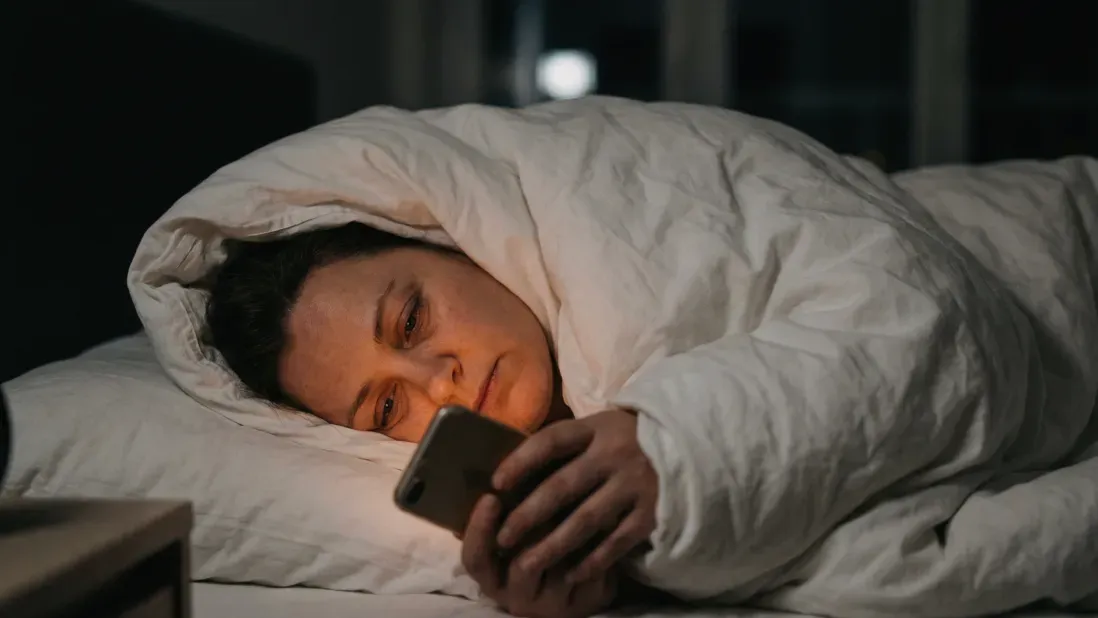
Your body is exhausted, but your brain has other plans at 2 AM. It has decided this is the perfect time to brainstorm a business idea, feel bad about something you said in 2017, and wonder whether you turned the stove off. An hour later, you're still awake and, somehow, even more wired.
For many people with ADHD, sleep is one of the most frustrating daily struggles because ADHD and sleep problems in adults are deeply linked neurologically.
Let’s talk about how ADHD affects your sleep and what you can realistically do to rest better.
Key Learnings
Up to 70% of adults with ADHD struggle with sleep.
- ADHD disrupts the same brain chemicals that regulate attention and your sleep-wake cycle.
- The right routine, CBT-I, and medication timing can meaningfully shift how well you sleep.
- Tracking your energy at just three points per day (10 AM, 2 PM, and 8 PM) reveals patterns that generic sleep advice completely misses.
ADHD in Adults and Sleep Problems: Types Of Challenges
Up to 70% of adults with ADHD report consistent sleep problems. Not all of those problems look the same. Here's what the common ones look like, and why ADHD tends to make each of them worse.
Insomnia
Insomnia means trouble falling asleep, staying asleep, or waking too early and not being able to drift back off.
Even when you're physically tired, mental hyperactivity keeps firing. Add in pre-sleep arousal, which is that heightened state of physical and cognitive alertness right before bed, and falling asleep can feel like trying to turn off a TV with no remote.
Restless Legs Syndrome
Restless legs syndrome is a neurological condition where uncomfortable sensations in the legs like crawling, tingling, or aching, create an almost irresistible urge to move them, especially at rest or at night.
Both RLS and ADHD involve dopamine dysregulation, which means people with ADHD are significantly more likely to experience RLS.
Delayed Sleep Phase Syndrome (DSPS)
Delayed sleep phase syndrome, also called delayed sleep phase disorder or circadian rhythm sleep disorder, is when your body naturally wants to go to bed much later than most people even if you’re exhausted.
The brain's clock-regulating systems involve dopamine and norepinephrine, which are the same neurotransmitters ADHD affects. This means many people with ADHD naturally feel most alert late at night, making a 9-to-5 sleep-wake cycle genuinely difficult to maintain.
Hypersomnia and Difficulty Waking
Some adults with ADHD also struggle to wake up. Morning anger/irritability, heavy grogginess, and needing multiple alarms are common because disrupted sleep patterns and late bedtimes can leave the brain stuck in “sleep mode” long after the alarm goes off.
Emotional Dysregulation and Nighttime Rumination
Racing thoughts and anxiety spirals aren't technically a sleep disorder on their own, but they're among major drivers of insomnia in adult ADHD.
The ADHD brain's default mode network (a group of brain regions involved in self-reflection, memory, and internal thoughts) may be harder to regulate or shift away from when stimulation drops, such as during quiet evening hours.
That difficulty switching mental states can make it easier for worries, memories, or unfinished tasks to surface at bedtime. However, nighttime rumination is not unique to ADHD and is also common in anxiety, stress, and insomnia (up to 50% of people with ADHD have comorbid anxiety disorders) and depression frequently accompany ADHD and amplify this pattern.
Dr. Tracey Marks, a psychiatrist with over two decades of clinical experience and one of YouTube's most trusted voices on mental health, breaks down exactly why the ADHD brain resists sleep and what's happening neurologically when it does:
How to Sleep Better When You Have ADHD
What typically works is a combination of general sleep hygiene (the boring-but-real stuff), ADHD-specific strategies, and some honest self-experimentation.
Start With the Basics
Before diving into ADHD-specific strategies, it's worth getting the fundamentals right because even small, consistent changes here can meaningfully reduce how long it takes you to fall asleep and improve the quality of rest you get.
Cut caffeine after 2 PM. Caffeine has a half-life of about 5-6 hours. That afternoon coffee is still in your system at midnight.
Keep your room cool and dark. Body temperature drops as part of sleep onset, and a cooler room supports this.
Avoid screens for at least 30-60 minutes before bed. Blue light suppresses melatonin and keeps your circadian rhythm confused.
Exercise regularly, but not within 2-3 hours of bed. In one study of 162 adults, regular physical activity reduced the chance of trouble sleeping by about 74%.
Get morning sunlight. Natural light in the morning is one of the strongest anchors for your sleep-wake cycle.
Eat dinner at a consistent time and avoid heavy meals within 2-3 hours of bed.
Get out of bed if you can't sleep. Lying there frustrated for more than 20 minutes makes your brain associate the bed with wakefulness. Go do something quiet and dim until you feel sleepy.
Process racing thoughts earlier in the evening, a few hours before bed, with Liven's Journal. A quick brain dump or tomorrow's to-do list offloads the mental clutter before your wind-down routine even starts. This way, it's not competing with your screen-free time closer to sleep.
Add Strategies That Work With the ADHD Brain
These strategies focus on structure, predictability, and nervous system regulation, which are all things the ADHD brain relies on.
Create a Brain Shutdown Routine
The transition has to be boring enough to reduce pre-sleep arousal but not so dull that your brain goes looking for something more interesting to do.
Try this 30-minute sequence:
Minutes 1-5. Brain-dump everything on your mind, tomorrow's worries with the help of Liven’s Journal to reduce nighttime rumination.
Minutes 5-25. Choose a low-stimulation activity: light stretching, a warm shower, or any calming hobby that doesn’t require screen usage.
Minutes 25-30. Lights dim, sounds soft or off, body gets the message it's time to shut down.
Obviously, this is a flexible routine, and you can adjust the duration of any step. The goal is simply to give you an idea of what an evening structure might look like.
Track Your Energy, Not Just Sleep
For young adults and adults with ADHD, the more useful question is: when do you feel most alert, most foggy, most emotionally regulated?
A simple way to start:
For one week, log your energy level and focus quality at 10 a.m., 2 p.m., and 8 p.m. Note how rested you feel, how easily you concentrate, and whether your mood feels stable.
Look for patterns. You may notice consistent dips in the afternoon, bursts of focus in the evening, or days when poor sleep leads to lower emotional regulation the next morning.
Use this data to structure your ADHD management. For instance, you can schedule demanding tasks during peak windows, protect your recovery time, and stop scheduling important things at hours you're chronically low-functioning.
Adjust Your Medication Timing
Stimulant medications taken too late in the day directly interfere with sleep onset. This is worth an honest conversation with your prescriber: timing, dosage, and whether a non-stimulant option might suit your sleep needs better.
Try CBT for Insomnia (CBT-I)
Cognitive behavioral therapy for insomnia (CBT-I) helps target the thoughts and behaviors that maintain insomnia. For people with ADHD and psychiatric comorbidities like anxiety, CBT-I can address multiple layers at once.
Research shows that CBT-I often leads to meaningful short-term improvements in sleep for people with ADHD and other neurodevelopmental conditions, although some people may need ongoing support or personalized adjustments to maintain the benefits over time.
Ask your doctor or therapist about it specifically.
Learn More About Sleep Aid Supplements
Melatonin, magnesium glycinate, L-theanine, and other supplements are often prescribed for better sleep. However, discuss these with a healthcare provider before adding them, especially if you're on medication.
Talk to a Sleep Specialist
If sleep problems persist despite lifestyle changes, a sleep specialist can evaluate underlying sleep disorders, review your sleep patterns, and recommend targeted treatments tailored to your needs.
Final Thoughts: What This All Means For Your Sleep and ADHD
ADHD means your brain has a specific set of needs that generic advice often doesn't fully meet. When you address those needs directly with structure, timing, sensory adjustments, and the right support, sleep quality really can improve.
The Liven app (Google Play or App Store), Liven's free wellness tests, and the Liven blog are all good next steps if you want to turn this understanding into something you can actually track and build on.
References
Cullen et al. (2025). Effectiveness of CBT-I in individuals with neurodevelopmental conditions: A systematic review. Journal of Sleep Research, 34(5), e70058. https://doi.org/10.1111/jsr.70058
Marks, T. (2024, January). The sleep-ADHD paradox: Why can't I get a good night's sleep? [Video]. YouTube. https://www.youtube.com/watch?v=wGYNK9cc_e0
Uygur, H. (2025). Sleep reactivity, attention deficit hyperactivity symptoms, and insomnia severity in ADHD patients. Frontiers in Psychiatry, 15, 1528979. https://doi.org/10.3389/fpsyt.2024.1528979
Zhu et al. (2023). The association between physical activity and sleep in adult ADHD patients with stimulant medication use. Frontiers in Psychiatry, 14, 1236636. https://doi.org/10.3389/fpsyt.2023.1236636
Zhang, Y., & colleagues. (2025). Adult ADHD and comorbid anxiety and depressive disorders: A review of etiology and treatment. Frontiers in Psychiatry, 16. https://doi.org/10.3389/fpsyt.2025.1597559
Why do adults with ADHD have sleep problems?
How do ADHD symptoms affect sleep quality?
Does ADHD affect sleep even if you don't feel hyperactive?
What are the most common ADHD sleep problems in adults?
What ADHD sleep tips actually make a difference?
What are practical ADHD sleep solutions beyond basic sleep hygiene?
Can ADHD medication affect sleep quality?
Is it possible to improve sleep with ADHD, or is it always a struggle?