How to Date an Anxious Attachment Style?
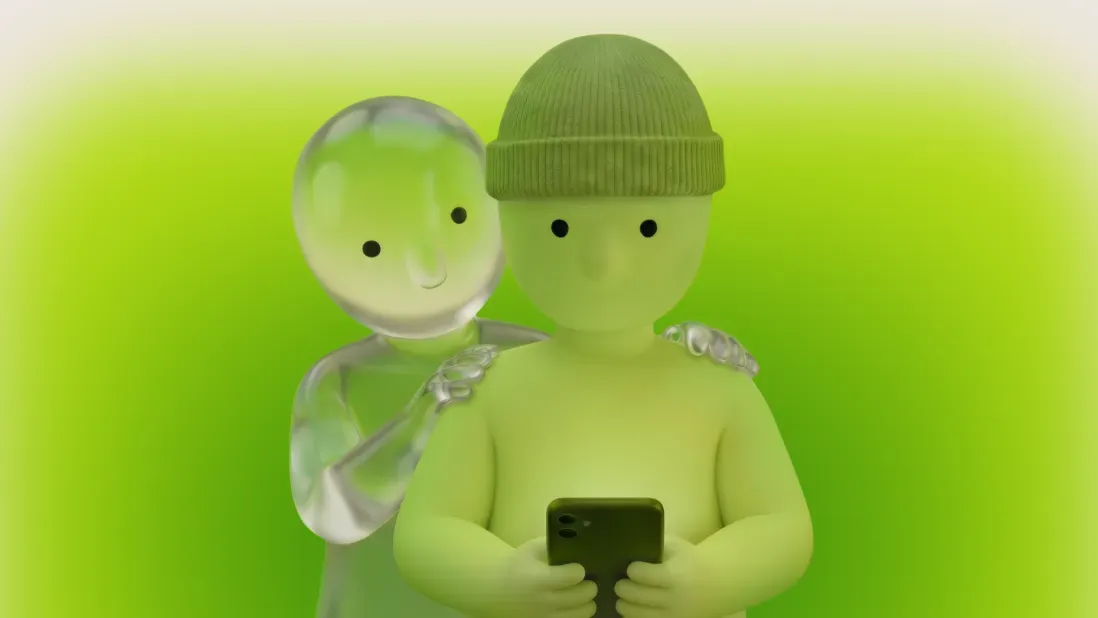


You've met someone incredible. They check in often. They show readiness for emotional intimacy. When plans change, or messages go unanswered, you can almost feel the worry behind their calm words.
These behaviors can be signs of an anxiously attached partner. We all struggle with insecurity in relationships from time to time, but a person with an anxious attachment style often seems alert to connection and possible rejection.
In this article, we'll explore how to date someone with an anxious attachment style and build emotional closeness rooted in trust and safety.
Key Learnings
- Someone with an anxious attachment often may have low self-esteem and experiences heightened sensitivity in relationships.
- Individuals with anxious attachment style often seek reassurance from those they love, so they respond well to clear communication and supportive actions.
- Boundaries help both partners by allowing space for calm reflection while maintaining relationship warmth and consistency.
Tips for Dating an Anxiously Attached Partner
Although every anxiously attached person is different, we can build healthier relationships by using a few of the practices below, at least as a starting point.
Understand Common Anxious Attachment Triggers
People with anxious attachment style have heightened sensitivity to perceived relational instability in their relationship dynamics. That is, what can seem like a regular enough occurrence for a person with a secure attachment style might look like rejection for a partner with a fear of abandonment.
While triggers vary from person to person, individuals with an anxious attachment style may feel especially activated by situations such as:
- 💬 Delayed replies or sudden changes in communication patterns
- ⛔ Canceled or rescheduled plans, especially without explanation
- 🎯 Ambiguity about the relationship or unclear expectations
- 📉 Perceived shifts in tone, affection, or availability
- 😔 Conflict followed by distance instead of repair.
It doesn't mean that you need to walk on eggshells near your romantic partner. It can be helpful to recognize that some situations can hyperactivate your threat system.
Aim for Consistency With an Anxiously Attached Person
Anxiously attached people may feel particularly overwhelmed if you change plans unexpectedly or act differently from what you previously said. For example, if you tell them you're in for a committed relationship but suddenly cancel a date, their mood might worsen.
Following through on plans, communicating changes early, doing inner work, adjusting behaviors, and experiencing a safe attachment help reduce anxiety over time. Does this mean you have to sacrifice your comfort or constantly check in with your partner's attachment style? No. It's more about showing up as agreed.
Imagine it as an adaptation process: the more they see you being there for them, the less worried they become over time.
Ensure Clear Communication
Some people think that just because they have an anxiously attached partner, they need to always reassure them. It's not exactly true. Clear communication is important because uncertainty activates their attachment system, which, in turn, increases threat perception and emotional reactivity.
This stems from Attachment Theory. Many people with an anxious attachment didn't receive that clarity and predictability from their primary caregiver. Therefore, adult relationships with clear communication and predictable behavioral patterns help their brain shift out of heightened vigilance and support a greater sense of relational safety and emotional regulation.
Provide Positive Feedback and Reassurance
Contrary to what we sometimes get told, we don't tell other people nice things often enough. For a person with attachment insecurity, reassurance and support can strengthen self-esteem and support a sense of security in the relationship. Consistent expression of care helps counter deeply rooted fears of being unwanted or abandoned.
Reassurance is most effective when it’s paired with steady actions and a calm, regulated presence. When reassurance becomes repetitive, urgent, or disconnected from behavior, it can unintentionally reinforce anxiety and low self-worth rather than soothe it.
When we show up and provide calm presence that says, "I care about you," it encourages an anxious person to develop greater self-compassion and confidence, rather than relying solely on external validation.
Decide on Your Boundaries
Sometimes, we forget that supporting our loved ones doesn't mean we need to disregard our own mental health. Someone with anxious attachment can require more intimacy than we are ready to provide, and it's not our obligation to always close this gap with our own resources. That's why it is vital to set healthy boundaries and do self-reflection with an anxiously attached individual.
We might fear that personal boundaries signal abandonment, but these worries are rarely grounded in reality. When you express limits with warmth and consistency, you model a relationship that is both safe and sustainable. This also encourages our partners to develop their own self-awareness and build distress tolerance.
Let's dive into actual examples of how to set boundaries with anxiously attached people:
- They want to spend every day together:
"I can't do the whole week, but let's plan a date night and a cozy morning together so we still feel connected." - They feel anxious when you need alone time:
“Taking time to recharge helps me show up better with you. I'll be back tonight. We're okay." - They want immediate reassurance during conflict:
"I need a short break to calm down, but I'm not leaving the conversation, and I love you. Let's come back to this in an hour."
Recognize Your Own Attachment Style
Our own adult attachment style can also play a significant role in how we interact in a romantic relationship. There are different types of relationships, and each couple has unique challenges that show up in past relationships, caregivers' behavior, and personal triggers.
For example, a person with an avoidant attachment can feel uncomfortable with an anxious attacher, while a secure partner feels okay providing more stability.
Understanding your partner's struggles, as well as your own needs and expectations, can help you build understanding and mutual trust. If you're not sure whether you have an insecure or secure attachment style, or how your personal behaviors affect your relationship, you can take a quiz to get your personalized plan for healthier relationships.
Building Self-Acceptance and Trust
We all crave connection. Someone with anxious attachment just may show it differently. By addressing anxious attachment patterns and showing a genuine, strong desire for a shared life, we can develop close relationships and deepen this commitment.
As you navigate this loving relationship, it's important not to forget about self-care and your own emotional needs. When your partner feels more comfortable expressing themselves around you, you may find beautiful, exciting sides of them waiting to be seen.
References
- Bassi, G., Mancinelli, E., Spaggiari, S., Lis, A., Salcuni, S., & Di Riso, D. (2022). Attachment style and its relationships with early memories of separation anxiety and adult separation anxiety symptoms among emerging adults. International Journal of Environmental Research and Public Health, 19(14), 8666. https://doi.org/10.3390/ijerph19148666
FAQ: How to Date Anxious Attachment Style
What is anxious attachment?
Why does an anxiously attached individual seek frequent reassurance?
Is anxious attachment connected to early life experiences?
Can an anxious attacher develop a more secure attachment style?
How can couples improve communication when anxious attachment is involved?
Does dating someone with anxious attachment affect your well-being?