



Some days just feel more difficult than others, and we don't know why. A small inconvenience sparks irritation. You're tired, but rest doesn't seem to help. Moments like these often leave people wondering why their reactions feel bigger than the situation itself.
It may be a sign of a dysregulated nervous system. It's characterized as "a state of imbalance between the sympathetic and parasympathetic systems." In simpler words, this means your nervous system can become overly sensitive and reactive, making everyday stressors feel bigger and harder to manage.
Instead of naturally responding to stress and returning to balance, sometimes our nervous system stays in survival mode. Over time, this can affect our thinking, emotions, and behavior. In this guide, we’ll explore the signs of nervous system dysregulation and practical strategies to help you restore balance and resilience.
Key Learnings
- Nervous system dysregulation keeps the body stuck in survival mode. It has specific physical symptoms and causes physical, emotional, and cognitive disorientation.
- Prolonged stress and trauma overload the autonomic nervous system, leading to difficulty relaxing, feeling anxious, and mental overload.
- Consistent, gentle regulation practices restore balance over time. Small changes help the nervous system relearn safety and improve both mental and physical well-being.
Common Signs of a Dysregulated Nervous System
Nervous system dysregulation doesn't look the same for everyone, but it often shows up through a combination of physical, cognitive, and emotional signals. Below are some of the most common patterns that indicate your autonomic nervous system is out of balance.
Chronic Pain
When our sympathetic nervous system remains active for long periods, the body can become more sensitive to signals, potentially amplifying pain perception.
This can show up as:
- Ongoing headaches or body aches without a clear injury
- Pain that flares during stress or emotional strain
- Heightened sensitivity to touch or movement.
These pain patterns are common in people with chronic health conditions linked to nervous system imbalance.
Brain Fog
Brain fog is when we cannot focus, struggle to memorize things we usually can, and our thoughts feel "hazy."
"When the brain is stuck in a prolonged fight-or-flight state, it naturally prioritizes immediate survival over focus, memory, and higher-order thinking," says Tara Passaretti, M.S., LMHC. "This can lead to mental fatigue, difficulty concentrating, and sometimes a sense of detachment or disorientation, where it feels like things are happening around you rather than through you. Over time, these responses can contribute to stress-related emotional challenges, especially when sleep is disrupted, and the nervous system doesn’t have the opportunity to recover."
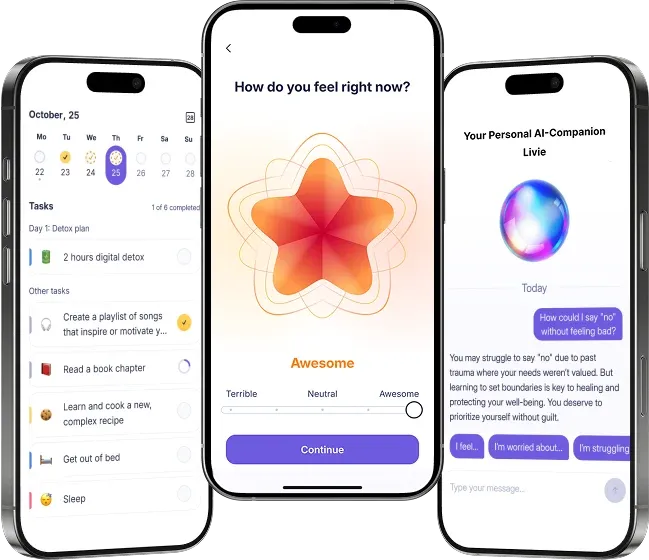
If you aren't sure about how your cognitive and mental state changes, using Liven's Mood Tracker can help you keep tabs on your mood daily.
Digestive Issues
Digestion relies heavily on the parasympathetic nervous system, which supports rest, repair, and nutrient absorption. When the body remains in sympathetic (fight-or-flight) mode, digestion can become less efficient, leading to common gastrointestinal issues.
If you've got a dysregulated nervous system, you might observe:
- Stomach pain, bloating, or nausea
- Bladder and stomach issues during stressful periods
- Symptoms associated with irritable bowel syndrome.
Muscle Tension
Muscle tension is closely tied to prolonged fight-or-flight activation. Have you ever noticed that, when you expect danger, your muscles seem to clench? Some of these signals look like tightness in the neck, shoulders, or jaw. Sometimes, it even occurs as restlessness. Without proper nervous system regulation, muscles rarely receive the signal to fully relax, even during rest.
Chronic Stress and Other Emotional Symptoms
Unsurprisingly, a dysregulated nervous system influences both mental and physical health. A dysfunction within our body's central control network keeps our minds alert.
While it's not always the case, chronic stress and physical symptoms can lead to some of these:
- Heightened worry or irritability
- Emotional numbness or sudden mood shifts
- Strong reactions that feel hard to control.
If your stress is overwhelming you more often today than before, you can take a quick quiz and get your plan for a calmer mind.
When the Autonomic Nervous System Is Beyond Its Limit
Nervous system dysregulation can happen when the sympathetic (fight-or-flight) and parasympathetic (rest-and-digest) systems are pushed beyond their ability to balance each other. Think of it like two muscles that get confusing or overwhelming signals — when too much is going on, an autonomic dysfunction can occur. Let's go over the most common reasons for dysregulation:
- Exposure to prolonged stress
We might notice trouble with nervous system regulation after prolonged exposure to stress. Traumatic events, such as experiencing medical trauma, witnessing domestic violence, going through major life changes, or losing a loved one, can condition our bodies to expect danger. Over time, the nervous system can begin activating survival responses, even in situations that are actually safe, because it has learned to anticipate threat.
- Mental health factors
Having a history of mental health conditions doesn’t automatically mean the nervous system will become dysregulated, but it can be a risk factor that makes regulation more challenging.
How to Deal with a Nervous System Dysregulation
When the nervous system is stuck in fight or flight mode, small, consistent practices can gradually signal safety and support recovery from chronic stress and unresolved trauma responses. These changes can help you restore balance and feel less anxious again.
1. Build Body Awareness
Nervous system dysregulation often disconnects us from our feelings. Rebuilding body awareness helps interrupt automatic survival patterns by allowing us to stay in the present moment.
Try checking in with yourself and noticing muscle tension or pain flare-ups. You can set reminders every hour to check in on your posture, breath, or physical comfort. A YouTube channel, Therapy in a Nutshell, offers a quick body scan that takes less than 5 minutes.
Increased awareness makes it easier to recognize early signs of stress before the body enters full fight-or-flight mode.
2. Improve Your Daily Rhythms
Our nervous system is closely connected to daily habits, and making small, intentional choices to reset and rest can help reduce stress. Poor rest can intensify mood swings, emotional reactivity, and physical fatigue.
Where to begin? A healthy diet and good sleep hygiene can be a strong foundation for better nervous system regulation. After a restful sleep and a nutritious breakfast, you can introduce light movement. Studies show that gentle exercise supports people with chronic pain. It's also a natural mood booster.
Strengthen Your Emotional Regulation Skills
When the nervous system is dysregulated, emotions can feel sudden or overwhelming. Developing emotional regulation skills helps create space between what you feel and how you respond, making it easier to manage stress and reactions. You can try the following strategies:
Naming emotions
Labeling your emotions helps your brain process and organize your feelings, rather than reacting automatically. To get a little guidance and structure, you can, for example, use worksheets from Therapist Aid, such as the Emotion Exploration Scale, Emotion Log, and Emotion Diary.
Using grounding techniques during moments of stress.
You can try the 5-4-3-2-1 method using the following video:
Returning attention to the breath or body during emotional spikes.
Deep breathing exercises from YouTube channels such as Shout UK and Hands-on Meditation can be a great place to start to stop the internal chaos. Even a short micro-meditation can help you better regulate your nervous system.
Bringing Balance to Your Nervous System
Nervous system dysregulation is your body doing its best to protect you with the information it has learned over time.
That's why regulation is something you get to rebuild over time. Each pause, mindful breath, or moment of awareness sends a subtle signal to your nervous system: you're safe.
References
- Abdallah, C. G., & Geha, P. (2017). Chronic pain and chronic stress: Two sides of the same coin? Chronic Stress, 1. https://doi.org/10.1177/2470547017704763
- Geneen, L. J., Moore, R. A., Clarke, C., Martin, D., Colvin, L. A., & Smith, B. H. (2017). Physical activity and exercise for chronic pain in adults: An overview of Cochrane Reviews. Cochrane Database of Systematic Reviews, 2020(2). https://doi.org/10.1002/14651858.cd011279.pub3
- Matei, A. (2024, March 4). Oversensitive and overreactive: What is nervous system dysregulation and how can it be resolved?. The Guardian. https://www.theguardian.com/wellness/2024/mar/04/what-is-nervous-system-dysregulation
FAQ: Nervous System Dysregulation
What is a dysregulated nervous system?
What are the physical signs of nervous system dysregulation?
How does the parasympathetic nervous system support regulation?
Can emotional dysregulation be linked to nervous system issues?
How does the vagus nerve affect nervous system health?
When should I seek help for nervous system dysregulation?