What Do the Liven App Ratings Say in 2026
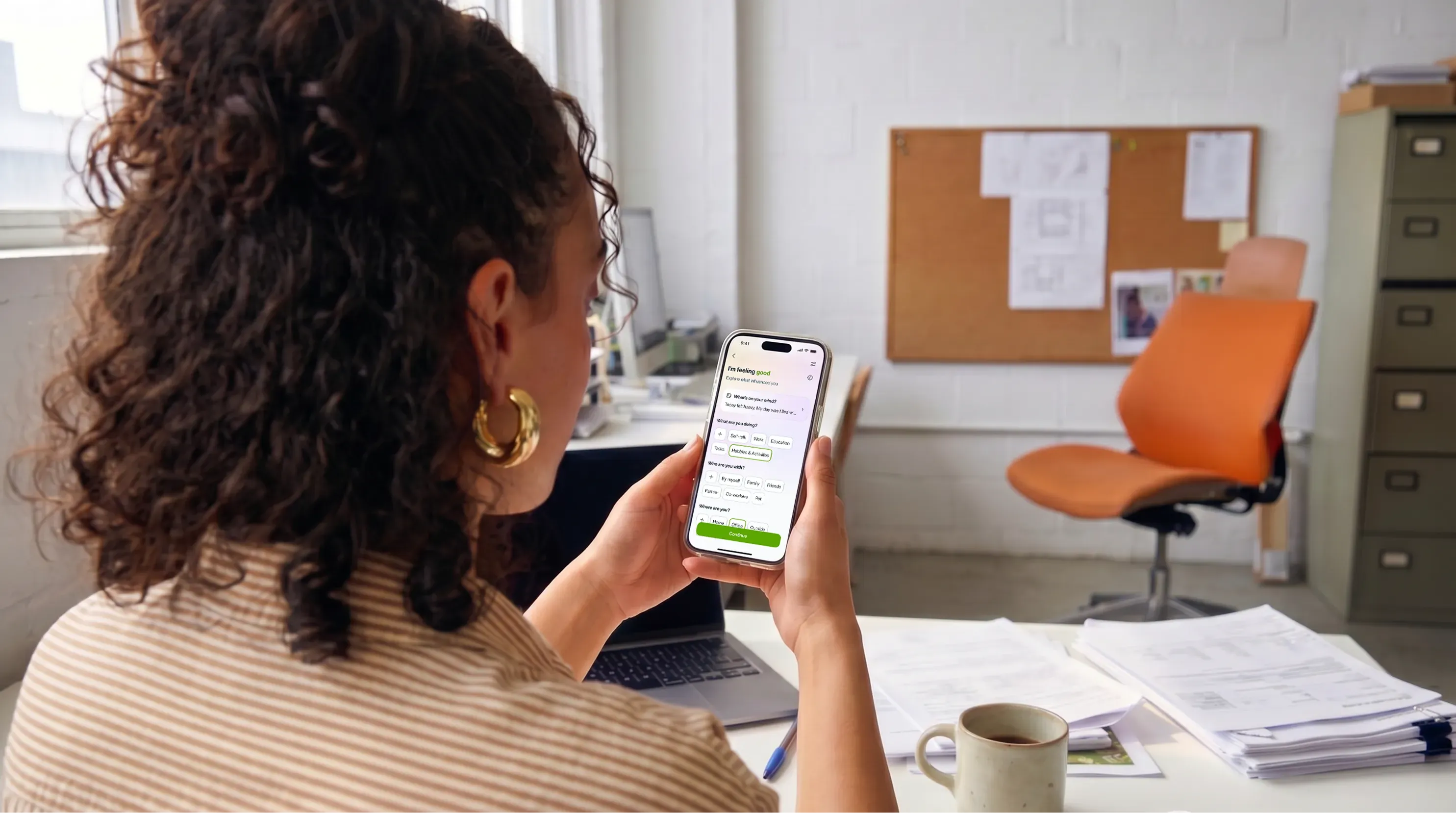


A friend mentioned Liven over coffee. Or a YouTube ad ran before the video you were trying to watch, and something about it stuck. Or it kept turning up in your feed until you finally paused long enough to look it up. Either way, you're here now, checking what other people think before you download it.
Wellness apps are everywhere, and the marketing page will always tell you it's life-changing. What you want is the read from people who've been using it for a few weeks or a few months, the ones who kept opening it, and the ones who deleted it after the trial.
That's what this piece is for. A grounded look at the liven app ratings across every platform that matters, what people consistently praise, what they consistently complain about, and how to read those signals against what you're looking for.

Key Takeaways
- A 4.3-star rating with 30,000 reviews carries more weight than a 5-star rating with 300, no matter how good the 5-star rating sounds.
- Livie, short daily lessons, and fast customer support appear in almost every positive review, regardless of the platform.
- When people complain, it's usually about the subscription, not the app itself, which tells you where to pay attention before subscribing.
- Ratings are a snapshot, not a verdict. Numbers shift, and how you'll use the app matters more than the average score.
Liven App Ratings Across Platforms
Here's the current picture, checked in mid-2026:
| Platform | Rating | Review volume |
| Trustpilot | 4.3 / 5 ("Excellent") | 30,000+ |
| Apple App Store | 4.5 / 5 | 52,000+ |
| Google Play | 3.8 / 5 | 54,000+ |
Ratings shift over time, and they measure different things. Trustpilot skews toward customer service. App stores skew toward product experience. A single high number on any of them doesn't guarantee a fit, and a lower one doesn't automatically mean the app is bad. It might mean that users on a specific platform are more sensitive to billing friction.
How Liven Works
Before the ratings make sense, it helps to know what people are rating. Liven is a self-discovery app built around what the team calls the micro-cycle method: Reflect, Collect, Act. You start with a short lesson, check in with how you're feeling, and get one small, doable suggestion. The loop repeats the next day.
The everyday tools are simple:
- Mood Tracker: log how you feel, add context, and see it plotted over time
- Journal: structured prompts for days when a blank page feels like too much
- Smart Companion Livie: a guided conversation when you want to think something through
- Self-discovery tests: quick self-assessment snapshots you can revisit, not a diagnosis
- Personalized plans: a step-by-step path built from your onboarding answers
- Sounds: an audio library for relaxation, focus, sleep, and mindful moments
- To-do lists: small daily tasks that build structure without pressure
- Optional 1-on-1 coaching: private, asynchronous guidance from a certified coach
The idea, per Liven's own explanation, is to help you notice your own patterns and act on them in small ways, rather than sit down for a psychology lecture. About 10 minutes a day of light, repeatable practice.
Is Liven Helpful? What Users Report
Across a group of U.S. users with at least 14 days of consistent use, an internal Liven survey (self-reported, March 2026) found:
- 49% reported an improved relationship with themselves
- 42% felt less on edge
- 40% reported less overthinking
- Only 4% to 7% reported any negative effects
These are user impressions, not clinical outcomes, so read them as feedback rather than proof.
Still, they sit in the same direction as broader findings on self-guided well-being tools, where a 2024 meta-analysis of 176 randomized controlled trials found small but real improvements over doing nothing at all. Not a dramatic swing, but a different starting point than white-knuckling it alone.
Positive Ratings: What People Praise
Reading through the 5-star reviews across all three platforms, the same three themes keep coming up:
Livie, the AI companion. Reviewers repeatedly say Livie feels supportive rather than clinical, and helps them work through moments in the day when talking to a person isn't an option. It's the single most-mentioned feature in positive reviews.
Short, useful daily content. Ten-minute sessions, not hour-long courses. People who abandoned other wellness apps often say Liven is the one they actually keep opening, and consistency matters: research on affect labeling shows that even briefly naming an emotion reduces activity in the brain's threat-detection center, which is a big part of why short daily check-ins work.
Customer service that fixes things fast. A lot of Trustpilot reviews are less about the app and more about how quickly a billing issue got sorted, often with a full refund, when someone reached out. Which brings us to the other side.
Negative Ratings: What People Complain About
The 1- and 2-star ratings cluster hard around one theme: subscription surprises after the free trial. Reviewers describe not realizing the plan would auto-renew, being charged for an annual plan they didn't remember picking, or expecting more free content after the onboarding quiz.
These are legitimate frustrations, and worth taking seriously. It's also worth noticing what the negative reviews mostly aren't about: the core mood tracker, journaling, or Livie itself. When the complaint is about the product experience, it's more often "I expected more free content" or "personalization felt generic" than "the tools don't work."
Some also mention the app's Android version feels less polished than the iOS one, which tracks with the ratings gap between platforms.
Should You Trust the Ratings?
Any single review, positive or negative, is one person's experience. What ratings do well is show you the pattern: where the app consistently delivers, where it consistently frustrates people, and how the company responds when things go wrong.
Liven's response pattern is worth noting on its own. On Trustpilot, most negative reviews get a public reply from the team, usually with a direct email invitation to resolve the issue. That's not a rating in itself, but it's a signal about how the company handles complaints.
Who Liven Tends to Work For
Based on the review patterns, people who rate Liven highly usually:
- Want short daily reflection rather than a full course
- Like the idea of an AI companion for in-the-moment support
- Are comfortable with a subscription model and read the terms carefully
- Don't need clinical treatment for a diagnosed condition
Liven is not a therapy app or a replacement for professional care. If you're in crisis or need guidance on medication, a licensed clinician is the right next step, not any wellness app.




So, Should You Try It?
Ratings tell you two things: whether an app works for most people who use it, and where the friction points are before you become one of them. Liven scores well on both counts: strong app-store ratings, a solid Trustpilot score, and a clear pattern of what people love (Livie, short lessons, responsive support) and what they don't (auto-renewal surprises).
Line up the numbers against your own priorities, screenshot your checkout screen, and decide from there. That's a better use of ratings than treating any single one as a verdict.
FAQ: Liven App Ratings
How do people rate Liven?
What is Liven's current Trustpilot rating?
What are Liven's App Store and Google Play ratings?
Is Liven actually helpful?
Why are Liven's Google Play ratings lower than the App Store's?
Is Liven worth it based on the ratings?
How does Liven respond to negative reviews?