



Sometimes, life can feel like a meteor hurtling through space-unstoppable and overwhelming. When stressful situations pile up, chronic stress can become our regular companion. Over time, prolonged emotional overwhelm can dysregulate the nervous system, subtly changing the way we think, feel, and behave.
Today, we explore the main nervous system regulation tips and show how small lifestyle changes can bring back our energy levels and sense of stability.
Key Learnings
- Feeling stressed for prolonged periods of time can dysregulate our nervous system. This keeps our body stuck in fight-or-flight even when no real threat is present.
- Simple, body-based practices, such as deep breathing, grounding, using cold water on the skin, movement, and prioritizing sleep, can effectively calm the stress response.
- A nervous system reset is gradual and personal. Ten small steps matter more than one irregular push ahead.
Strategies to Regulate Your Autonomic Nervous System
Your autonomic nervous system is a crucial part of your brain–body system that operates in the background, automatically managing functions such as stress, calm, heart rate, and digestion to keep you safe and balanced. It constantly scans for danger or safety and shifts your body into "gear" without you having to think about it. We can learn how to remind ourselves that we're safe.
Everyone’s nervous system is unique, so the strategies that help one person may not work exactly the same way for someone else. You can use these ideas as reference points and experiment as you figure out what helps you heal.
1. Practice Deep Breathing
Use slow, intentional breaths to activate your parasympathetic system and help your body move out of fight-or-flight mode. It's one of the most commonly recommended strategies for nervous system regulation, and for a good reason.
Deep breathing reduces the release of stress hormones. It's a great tool for people who are feeling anxious or are struggling to get out of fight-or-flight mode. Here's a quick breathing exercise you can try right now.
- Sit comfortably with your feet on the ground or lie down.
- Place one hand on your chest and one on your belly.
- Inhale slowly through your nose for 4 seconds. Let your belly rise.
- Pause for 1-2 seconds.
- Exhale through your mouth for 6-8 seconds. You may feel your body softening.
- Repeat for 2-5 minutes, keeping the exhale longer than the inhale.
A longer exhale activates your parasympathetic nervous system, your body’s “rest-and-digest” mode. Each slow exhale sends a gentle signal to your overactive mind: you are present, you are safe, and it’s okay to relax.
Need a more hands-on approach? Belly-breathing exercises from the Indiana University School of Medicine and the box-breathing practice from Sunnybrook Hospital can be done in under 10 minutes each.
2. Try Grounding Exercises
Usually, a stressful trigger activates our sympathetic nervous system, preparing us to deal with a potential threat. Our body functions as an instrument of protection. A dysregulated nervous system makes it more difficult to return to a state of physical and mental calm, even when the threat has passed.
When our mind and body are stuck in fight-or-flight mode, grounding exercises bring awareness to physical sensations like touch, sound, or movement, helping calm the stress response and reconnect with the present moment.
3. Explore Cold Exposure
When we remain on high alert and feel detached from reality, cold exposure can rapidly activate sensory pathways that help regulate the autonomic nervous system and restore a sense of calm alertness. Here's how our expert, Tara Passaretti, M.S., LMHC, explains this:
"We are born with several built-in survival reflexes, including the diving response. When cold water touches the face, the body automatically shifts into a protective state: heart rate slows, breathing becomes more controlled, and blood flow is redirected to vital organs. This reflex evolved to help us survive sudden cold exposure, but we can also use it intentionally, such as splashing cool water on the face in times of heightened stress."
4. Practice Progressive Muscle Relaxation
Progressive Muscle Relaxation (PMR) works by intentionally tensing and then releasing different muscle groups. This process helps interrupt prolonged fight-or-flight activation, making it an effective tool for stress reduction and nervous system regulation. Beyond relaxation, research shows that PMR can also reduce physical symptoms associated with chronic pain.
5. Develop Good Sleep Hygiene
We tend to underestimate the importance of good sleep hygiene for our wellness because simple practices don't seem effective for someone with a dysregulated nervous system. However, restful sleep supports mental health by reducing cortisol levels and restoring physical and cognitive stability.
Here are some ideas for people who want to improve sleep routines:
- 🛏️ Keeping a consistent bedtime, even on weekends
- 🌃 Limiting stimulation at night and putting your phone away
- 🕯️ Creating a calming routine, such as gentle stretching or reading children's books.
6. Introduce Gentle Movement
We are used to viewing sports or movement as something that requires intense exercise and exists solely to "fix" something in our appearance. And yet, movement helps the body complete the stress cycle. Walking, stretching, or gentle exercise allows the stress response to discharge naturally rather than staying trapped in the system.
"We stay in our heads for a lot of time, especially if we're dealing with emotional overwhelm," says Tara Passaretti, M.S., LMHC. "Movement, even ten jumping jacks or a ten-minute stroll around our house, lowers our stress hormones. If we maintain a consistent practice, it helps us build a more flexible nervous system."
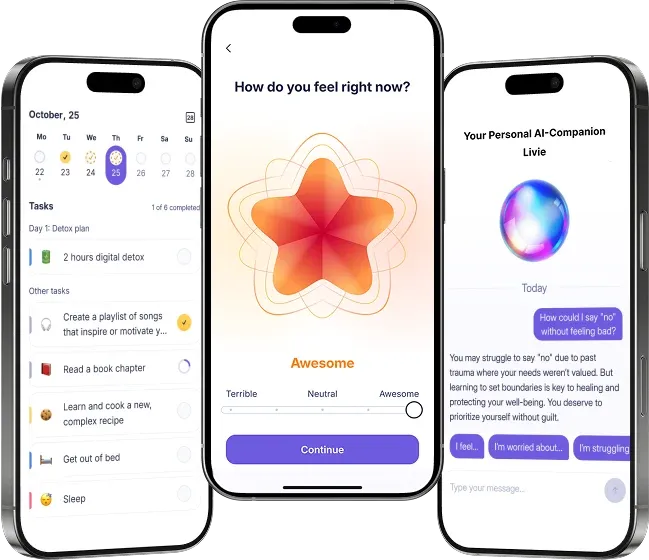
People who struggle to maintain consistent physical activity may find Liven's to-do lists useful as part of a larger ecosystem of self-discovery tools.
7. Consider Somatic Therapy for Emotional Regulation
If you tend to over-intellectualize mental health experiences, you may benefit more from somatic therapy. This approach holds that stress is stored in the body. Sometimes, trauma or chronic stress manifests as muscle tension, stomach pains, headaches, or even troubles with our immune system.
Research has found this therapy to be effective for various groups of people, particularly those with more treatment-resistant conditions and a history of childhood trauma. It strengthens our vagal tone and reduces stress in people who, despite seemingly knowing what causes their discomfort, cannot restore balance and feel comfortable in their bodies.
Smart Steps for Better Mental Health
Resetting a dysregulated nervous system isn’t something that happens in a single day; it’s a gradual process that asks you to listen to your mind and notice your body’s responses. Each small, consistent action helps retrain the complex network connecting your brain and body, gradually making it easier to regulate stress and emotions.
Although tackling your dysregulated nervous system immediately may overwhelm you, you can pick just one thing for your brain health. This decision will have a domino effect, and soon, you'll find yourself enjoying these small acts of self-care and feel more in control again.
References
- Maritescu, A., Crisan, A. F., Pescaru, C. C., Oancea, C., & Iacob, D. (2025). The psychological and physical benefits of progressive muscle relaxation in chronic respiratory diseases: A systematic review. Medicina, 61(6), 1055. https://doi.org/10.3390/medicina61061055
- Sariahmed, K., Alshabani, N., & Morone, N. (2025). The acceptability of somatic therapy for PTSD among patients at an urban safety net primary care clinic. Global Advances in Integrative Medicine and Health, 14. https://doi.org/10.1177/27536130251366942
FAQ: How to Reset Your Nervous System
What are the common signs of a dysregulated nervous system?
Can people with sensitive nervous systems learn to self-regulate?
How does the fight or flight response affect overall health?
What is a nervous system reset, and does it really work?
Can breathing techniques like the physiological sigh help?
Does a dysregulated nervous system influence blood pressure or hormones?
When should someone seek medical care for nervous system symptoms?