Procrastination Anxiety: How to Stop Worrying and Start Acting?
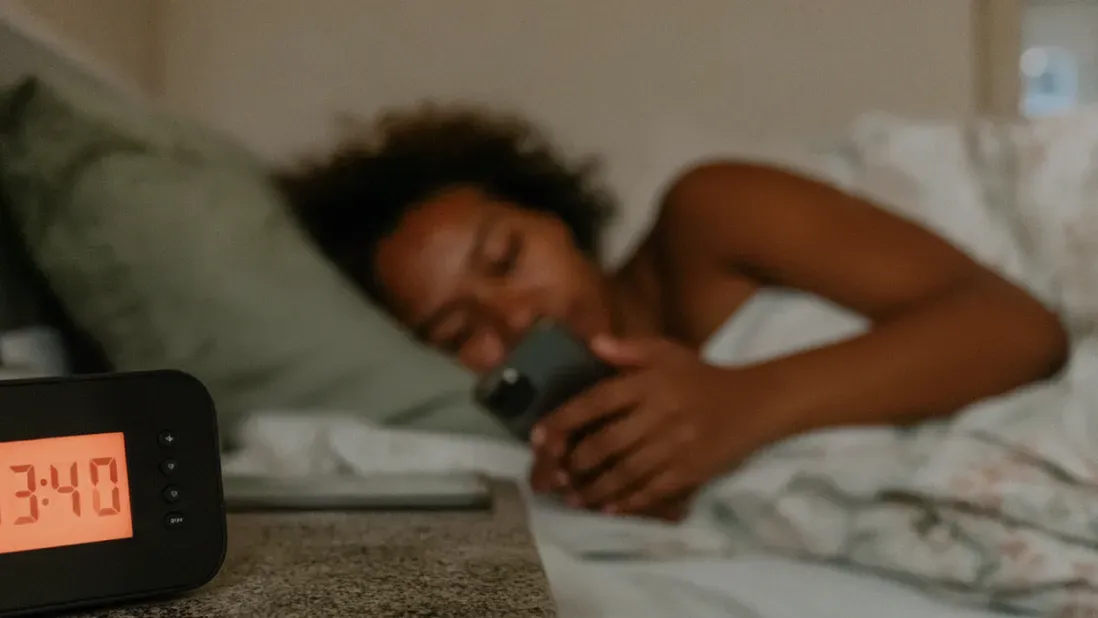


You've got a crucial task on your hands. But the more you look at it, the more anxious you feel. You are trying to begin, but you feel stuck and don't begin working on it. And when you're trying to complete it in the last minute, your fear becomes even more palpable.
This is a common experience known as procrastination anxiety. According to Springer Science, anxiety is a state "characterized by apprehensive anticipation regarding unpredictable and unavoidable future danger." In other words, anxiety often shows up when we face uncertainty, pressure, or fear of failure.
It is the stress that we feel when looking at a particular task that causes us to procrastinate. And yet, because we procrastinate and feel even more worried about it, the cycle continues. Today, we explore how to beat procrastination associated with anxiety.
Strategies to Beat Procrastination Anxiety
While there are many tips on how to stop procrastinating, not all of them work if we have anxiety. To break this cycle, it’s essential to address both the behavior (delaying tasks) and the underlying emotional distress.
Feel Stuck? Address State Anxiety
When anxiety is high, productivity often becomes inaccessible. Anxiety traps our body and mind in a state of fight-or-flight response. Grounding is an act of reminding ourselves to be present in the moment and to integrate our feelings, not just our thoughts. Relaxation in general is a physical way to return yourself to a state of calm. According to the research, "Coping is not solely a function of cognitive reinterpretation, but also of sensory awareness, autonomic regulation, and embodied self-experience."
Relaxation and grounding can be achieved by practicing breathing, Progressive Muscle Relaxation (PMR), and engaging our senses. If you need ideas for grounding yourself and reducing the negative emotions you are feeling, this list of techniques from Healthline or exercises from the Liven app can help you in a stressful moment.
Not much of a reader? No problem. Here are a few videos on different grounding approaches to try:
- The 5-4-3-2-1 Method from The Partnership in Education
- Calming Meditation with Dora Kamau
Change How You Think About Anxiety Procrastination
Cognitive reframing is defined as "changing the way people see things and trying to find alternative ways of perceiving ideas, events, or situations," according to the research. Rather than denying anxiety or forcing positivity, reframing helps create a more balanced and compassionate perspective.
In one study, students employed reframing when they were worried about the projects ahead. It helped them use their anxiety to achieve better results and deal with self-doubt.
In simple words, reframing, a standard tool in cognitive-behavioral therapy, suggests that our initial worry isn't always a true reflection of the situation. For example:
- You have an enormous task and are thinking, "I can't do that, I am not ready."
- This triggers procrastination, and you are too afraid to proceed.
- You take a step back and look at the task again, identifying what you actually understand and have already done.
- You offer an alternative thought: "While it's a bit overwhelming, I can do well by doing it bit by bit."
Want to try? Here's a simple worksheet from Choosing Therapy that you can download and print.
People Procrastinate When Stuck; Divide Those Tasks
Often, people procrastinate because the task in front of them seems unmanageable or intimidating. Breaking big tasks into smaller ones until they feel doable can help you feel more confident. When you view small tasks as distinct steps, both the result and the process feel less intimidating.
One of the best ways to do this is with Goblin Tools, which can break large tasks into small enough pieces that you can move forward and see progress. For example, when you add something like "Write a paper," this instrument breaks it down into simple steps, such as "Choosing a topic" or "Writing an introduction," and you can further divide each goal. It helps us avoid putting things off and shows that the task isn't this scary.
Are you unsure how to consolidate all your goals and organize them effectively? Then you can take a free quiz and get your personalized anti-procrastination plan.
When Tired, Use the 5-Minute Rule
If you ever didn't want to do something because you didn't feel like starting, it's the case for this exercise. For instance, when a runner doesn't want to do a run, they begin by simply putting on their shoes.
Better yet, if you've been putting off a task for a long time but it takes just a few minutes, set a timer or put on music and try to complete it within that timeframe. Oh, and if you need a bit of help, you might like:
Demotivated? Add a Ritual and a Reward
When we feel overwhelmed, our anxiety puts us into a state of danger. But if we establish some soothing rituals for each step, we are more likely to see the positive aspects of our work. It brings the awareness back, and we remember that things aren't as scary as they seem. And if we don't have enough motivation to pursue our task, we can reward ourselves with something nice. Importantly, actions or rewards we choose need to play a significant role for us, not someone else, and we actually have to look forward to them.
Here are some examples:
- Making a cup of tea
- Doing a 1-minute stretch
- Listening to a favorite song once
- Slow breathing for 30 seconds.
Use Sound for Time Management
When we want to overcome procrastination, one of the simplest and most accessible things we can do is to set reminders and notifications. When we have a big task to complete, such as writing a report or cleaning our home, we can get distracted and end up procrastinating again.
Setting up regular alarms on your phone, even as regularly as every 5 minutes, will remind you to return to what you were doing. So, if you were cleaning your wardrobe and suddenly stopped to look through your photos, the next alarm will gently return you to what you were doing. But if we are already anxious, a loud alarm can deepen our unpleasant feelings. Instead, you can adjust the settings to play gentler sounds.
While we have already discussed timers before, here's a larger list that will have a video to appeal to almost everyone:
- 5x5 SPEED CLEAN TIMER
- Quick Task Timer | Clean with Cats
- 50/10 Pomodoro w/ Cozy Lofi Music
- Snoopy Pomodoro 50/10 x 4
- Pomodoro Technique 50/10 Library Ambience
Set Realistic Expectations
Some of us may have unrealistic expectations when it comes to goal-setting because we hope it'll give us enough inspiration to finish what we have started. But this perfectionism, this attempt to cross a metaphorical mountain in a single stroll, will only lead to self-frustration when we don't reach that finish line. And that's why some people procrastinate when setting a goal: the objective is too difficult or even impossible to accomplish.
Instead of focusing only on the ideal future result, we can start thinking in terms of progress. When we set goals we know we can achieve, it takes the fear and pressure off our shoulders. In his TED Talk, executive coach Chuck Wachendorfer explains this by comparing it to his inability to run a marathon. He states that because he set an expectation to run fast, he felt fatigue and lost motivation quickly. He asked himself an important question that we can use to deepen our discussion of life: "Which was more important: running a marathon in a specific time or finishing a marathon at all?"
When we take the job of setting an objective with self-compassion rather than self-criticism, it becomes easier to prevent frustration. These worksheets from Therapist Aid can help you with different types of goal setting:
- Goal Exploration
- Habit Plan
- Goal Breakdown (you can also use Goblin Tools above)
- Week Goals.
Work on Your Low Self-Esteem
For some people, procrastination anxiety is closely tied to self-doubt or fear of failure. New or unfamiliar situations, such as starting school or a new job, can amplify these feelings. Building self-trust begins with recognizing effort, not just outcomes. Noticing small wins helps counter the belief that “nothing I do is enough.”
What about affirmations? Although the general population can benefit from them, individuals with low self-esteem may not find them helpful or even perceive them as harmful. If you feel like affirmations and positive self-talk don't work, bring evidence to build up your confidence. Ask yourself:
- “What is one thing I handled well this week?”
- “When did I show courage?”
Reach Out for Help
There might be moments when our anxiety takes a greater toll on us. Excessive worry can impact our lives and even lead to physical illnesses, such as cardiovascular or gastrointestinal issues, chronic pain, or more. In such situations, natural ways to manage anxiety may no longer work.
While not all people who procrastinate become chronic procrastinators, the long-term negative consequences of fatigue, avoidance, and mental overwhelm can have this effect. It doesn't mean your journey is a failure. It simply means that you may need an outside perspective on what caused you to procrastinate.
Therapists can help us see things more deeply and give us the motivation we need to make sense of our behavioral patterns.
Final Thoughts
Overcoming procrastination will take time and inner work, but it's a rewarding journey. The more we work on our time management, the more we listen to our anxiety and learn how to soothe ourselves, the stronger we become. And soon enough, we will see our growth for what it is: our mind becoming more powerful and confident with every day.
References
- Frausing, K. P., Flammild, M. H., & Dahlgaard, J. (2025). Mind–body practices for mental health in higher education: Breathing, grounding, and consistency are essential for stress and Anxiety Management. Healthcare, 13(16), 2049. https://doi.org/10.3390/healthcare13162049
- Lang, M., Krátký, J., & Xygalatas, D. (2022). Effects of predictable behavioral patterns on anxiety dynamics. Scientific Reports, 12(1). https://doi.org/10.1038/s41598-022-23885-4
- O’Neill, M., & Sorochan, J. (2014). Anxiety. Encyclopedia of Quality of Life and Well-Being Research, 195–197. https://doi.org/10.1007/978-94-007-0753-5_98
- Orson, C. N., & Larson, R. W. (2020). Helping teens overcome anxiety episodes in project work: The Power of Reframing. Journal of Adolescent Research, 36(2), 127–153. https://doi.org/10.1177/0743558420913480
- Robson, J., & Troutman-Jordan, M. (2014). A concept analysis of cognitive reframing. Journal of Theory Construction & Testing, 18(2).
- Zhu, X., & Yzer, M. (2021). Understanding self‐affirmation effects: The moderating role of self‐esteem. British Journal of Health Psychology, 26(4), 1016–1039. https://doi.org/10.1111/bjhp.12517
FAQ
Why does procrastination often lead to self-frustration?
How does anxiety affect time management and focus?
What role does impulse control play in procrastination?
Why do simple tasks feel overwhelming sometimes?
Can perfectionism cause procrastination?
Why do negative thoughts make putting things off more likely?