💬 Ask Shanen Norlin about Coping Skills for Anxiety [Licensed Therapist Column]
![💬 Ask Shanen Norlin about Coping Skills for Anxiety [Licensed Therapist Column]](https://cdn.theliven.com/blog-strapi/69240bd15dcdb2a7f028f401889e2dd2.webp)


The coping skills for anxiety that work tend to start with the body. Your thoughts can't lead the way out of a state your body is already locked into, which is why so many people end up frustrated with advice that sounds logical but doesn't translate when anxiety hits.
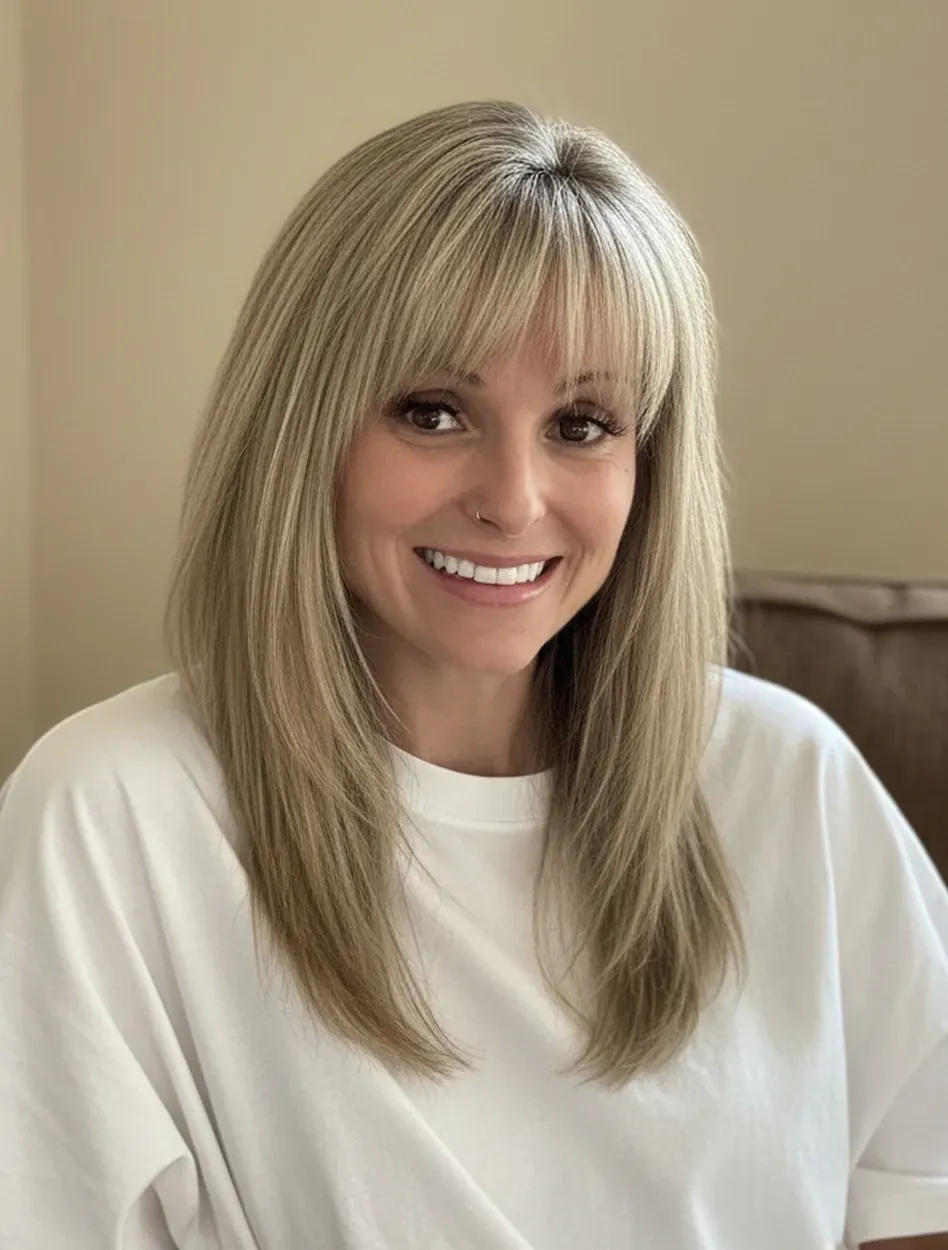
Shanen Norlin is a clinical therapist, behavioral health specialist, and a member of Liven's Board of Health Professionals. She works with people trying to cope with anxiety every day. Her approach is grounded in Dialectical Behavior Therapy (DBT), one of the most well-researched frameworks for building distress tolerance and emotional regulation skills. In this article, she explains what to do when anxiety feels constant, and why the first move probably isn't what you'd expect.
Key Learnings
- Distress tolerance skills from DBT widen your capacity to handle anxiety, so it has less control over your behavior.
- Cold exposure is one evidence-based technique to shift your nervous system out of a stress response, and it works best when practiced before you need it.
Shanen on evidence-based coping skills for severe or daily anxiety:
You don't think your way out of anxiety; you regulate your body first. Distress tolerance skills are effective, evidence-based strategies from Dialectical Behavior Therapy (DBT). The goal isn't to eliminate anxiety on the spot; it's to widen your capacity to tolerate it so it has less control over your behavior. Distress tolerance skills help you manage one problem while you work on another. First, you calm the body. Then, once your system is more regulated, you can start to challenge the anxious thoughts driving the cycle.
One way to begin widening your window of tolerance is through cold exposure.
Start by filling a bowl with cold water and ice. Place your hands in the bowl and hold them there for a short period of time, gradually increasing your tolerance each day (working up to about 15–30 seconds). This should never be painful, but it should feel mildly uncomfortable.
This activates a reflex in the body that can slow your heart rate and help shift your nervous system out of a heightened stress response. In turn, this creates space to take deeper breaths and regain a sense of control.
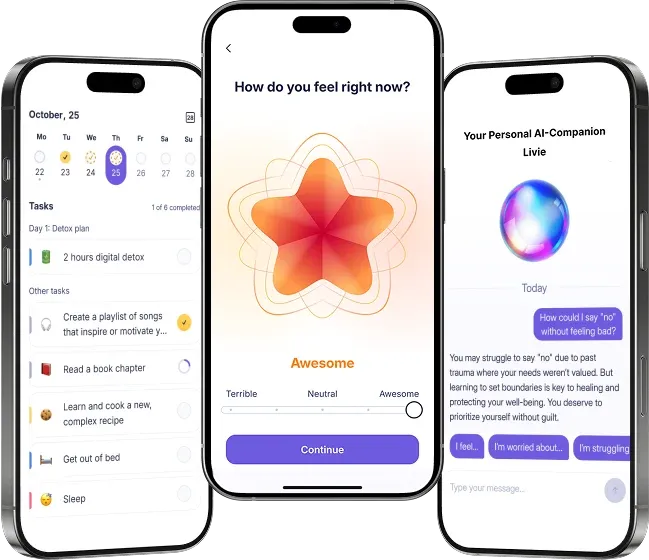
Like any skill, it works best with practice. Try using this technique when you're already calm so your body becomes familiar with the process. That way, it's more accessible and effective when you're feeling dysregulated. Think about this in the same way you would building muscle memory for a sport, for instance. Pairing this with slow, diaphragmatic breathing can enhance the effect — if you're unfamiliar with that, you can explore guided examples within the Liven app.
Avoid this technique if you have certain medical conditions (such as heart conditions), and stop if you feel pain or dizziness.
If anxiety is feeling constant or unmanageable, working with a therapist can help you personalize these tools and address what's underneath the surface, or seek consultation from your doctor regarding chronic symptoms.
Next Steps
Shanen's framework reframes what coping with anxiety looks like. It's not about suppressing the feeling or outsmarting it. Distress tolerance skills give you a way to get through the moment without letting anxiety make the decisions, and over time, that changes the dynamic entirely.
A few ways to apply this starting today:
- The instinct is to reach for a coping tool when you're already mid-spiral, but Shanen's point is that familiarity is what makes it effective. Build the reflex before you need it.
- Diaphragmatic breathing on its own is one of the more accessible anxiety coping skills available. Liven's guided audio sessions walk you through the technique if you've never practiced it deliberately.
- In the same way physical fitness requires repetition, distress tolerance skills are built through consistent practice. One session won't shift a long-standing anxiety pattern, but a week of daily practice starts to.
- If you're managing anxiety without medication or looking for approaches that don't rely on it, DBT-based skills are among the most evidence-backed options available. They don't replace medication when it's needed, but they give you something concrete to work with, regardless of where you are in treatment.
- If anxiety and depression overlap for you, the same distress tolerance framework applies. The two conditions share enough in common that coping skills for anxiety and depression often draw from the same toolkit: body regulation first, cognitive work second.
And if daily anxiety feels less like a manageable symptom and more like your default state, that's worth naming. Shanen's note at the end of her answer matters: working with a therapist is often what turns these tools from helpful in theory to effective in practice.
FAQ: Coping Skills for Anxiety
Can you manage anxiety without medication?
How long does it take for coping skills to work?
Are coping skills for anxiety and depression different?
What is the fastest way to calm anxiety in the moment?