How to Deal With Post-Holiday Blues?
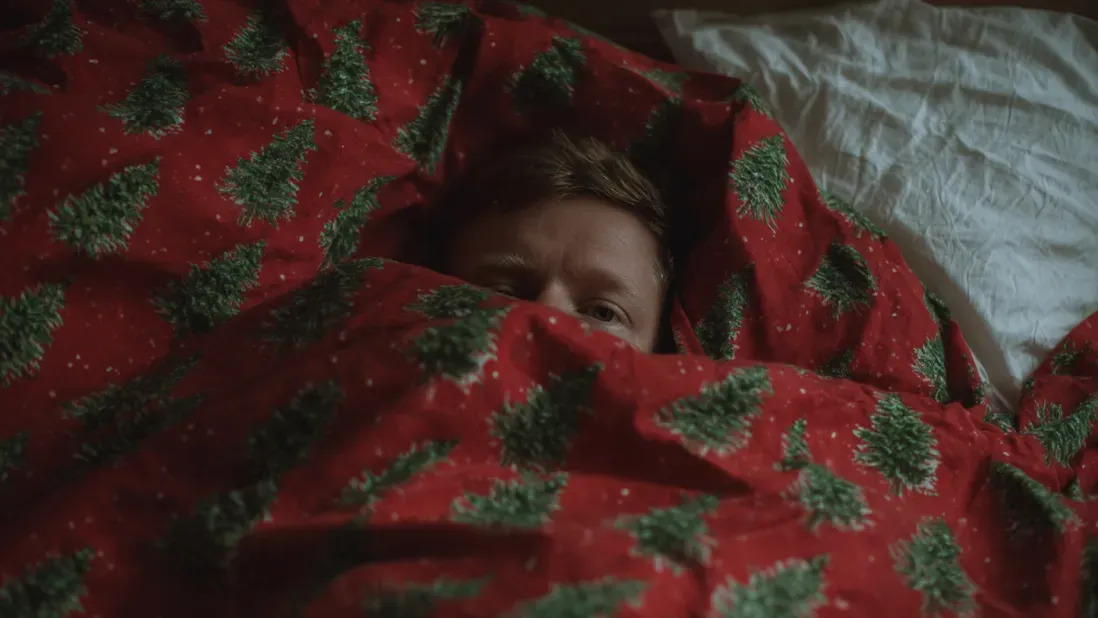
Just a day ago, you were lounging in your bed and rewatching your favorite movie franchise. Or maybe you were dipping your feet into the beach sand, enjoying the warmth of the sun on your skin. Regardless of the case, you can't stop feeling sad when you sit in front of the screen and hear the hum of a coffee machine in the background. Although the holiday season gives us a chance to recharge, we can often feel the holiday blues after returning to our everyday lives. It's like pulling a Band-Aid off or stepping into the real world after enjoying Disneyland.
Let's discuss how to deal with post-vacation blues and return to your everyday life with excitement and curiosity.
Key Learnings
- Post-holiday blues happen because the brain crashes from high stimulation back to routine, creating a sharp emotional contrast.
- Changes in sleep, diet, stress levels, and social overload make the return to everyday life feel heavier.
- Seasonal Affective Disorder (SAD) can amplify these feelings, especially when reduced daylight disrupts mood and energy.
Dealing With Post-Vacation Blues
We can shift our persistent feelings of sadness and grief by reframing our behaviors. Many holiday blues symptoms stem from the contrast between a relaxing routine with a free schedule and the daily life filled with obligations. Here are a few ideas to improve our mood.
1. Return Gently After Holiday Season
Rather than jumping immediately into the demanding routine, with long meetings and endless tasks, we can make it easier on ourselves for a few weeks. Professor Francisco D. Bretones suggests "returning from the holiday place 2 or 3 days early" and "starting work calmly during the first days."
By returning a bit earlier, we create an opportunity to readjust to a regular sleep schedule and prepare ourselves for our usual routine. Over the next few days before your work, you can clean your apartment, cook food in advance to take the burden off yourself for the first few workdays, and reinstall the necessary apps (no need to start working earlier!).
The same goes for the pace of our work. It's best to manage our expectations. Instead of starting a difficult project and working on it immediately, you may want to focus on smaller, less pressuring tasks. If we push ourselves too much, we can notice the first signs of depression at work.
If you're longing for coziness at work or while studying, these playlists can change your perspective on the day ahead:
2. Relax In Your Free Time
Just because you're getting back into your normal routine again doesn't mean you cannot experience joy and plan a good night out with your family members.
One of the factors that makes us happy during our vacation and sustains our mental health afterward is having new experiences that enrich our lives. It's essential to remind yourself that you can have fun even after the holiday season. You might like:
- Finding engaging social events and parties nearby
- Planning small trips to nearby places
- Spending time with your loved ones
- Reading a good book or watching a movie
- Listening to post-holiday playlists.
Here are playlists for any season, whether it's fall or spring, to help you relax:
3. Reflect on the Joy That You Had
Reflection can be a powerful practice for making sense of what you are feeling, and you may find out that post-holiday blues is just one of the reasons. This exercise is an excellent opportunity to process your emotions and analyze the meaning of your holidays, though some individuals may need a guided journaling with the help of their therapist.
You can incorporate these questions into your journaling to gradually move from feeling sad to recollecting the joyful memories:
- Is there an emotion that speaks to you right now?
- What were the 3 moments from the holidays that felt meaningful (not necessarily exciting)?
- Do you want to visit new places, spend time with friends/partner/children, or have more opportunities to rest and not feel responsible?
- What's one thing your present-day routine offers that holidays don't? Do you prefer your current diet, or are you glad to have the social support around you?
- What new traditions can you create to bring the joy back to your post-holiday life?
- Write a 2-3 sentence thank-you note to your holiday version of yourself.
If you are seeking inspiration on how to navigate post-holiday blues through journaling, consider the unique approaches of two different authors. Computer scientist Jan Bosch uses his writing to examine his vacation through the broader lens of his life, while exercise physiologist Tiina Hoffman focuses on reflecting on the specific memories she created before transitioning back to work.
4. Start Taking Care of Yourself
Self-care is sometimes underappreciated: after all, if it's "just" holiday blues, "just" a loss of motivation, "just" a bad feeling, some might suggest. However, many people admit that they experience anxiety when returning to work, and it can feel challenging to jump into the same sleeping and behavioral schedule. Ensuring we get enough exercise and return to our usual sleeping arrangements helps us handle the post-holiday blues with more patience.
If we feel like getting support from our loved ones is a good idea (and it often is), spending time with our friends or family can restore a sense of security. Being part of the community, or staying in the house and chilling if we feel like it, can be a gentle way to rebuild our emotional state.
If the feelings persist and we can't regain our appetite, it may be a good idea to reach out to a therapist. According to Dr. Kristen Yule, a pediatric psychologist, post-holiday blues don't usually lead to clinical depression. However, if you feel depressed for several weeks and experience other symptoms that might indicate a more overwhelming feeling, a professional can help you figure things out.
Why Do We Have Post-Holiday Blues?
Post-holiday blues is a common emotional state that can affect many people, regardless of their mental health or a specific holiday season. So, why do we get sad, despite all the joy we've gained?
A fast stimulation change
People often experience the holiday blues because their brain abruptly shifts from high stimulation to a more routine state. One day, we have all the freedom, giving in to what we want and letting our emotions out... and the next, we're back in the familiar world, focused on our tasks and structure.
Tessa West, a psychologist and writer, describes the feeling of coming back from vacation as "a gigantic shock to the system."
Our experiences during the vacation (a new town, more friends, weeks of exploration) boost our dopamine (which has a link to our mental health) and oxytocin levels. When that stimulation drops, our nervous system reacts accordingly. This drop can affect us more than we expect.
Our routines change
From work to vacation and back to work again, we undergo changes in our sleep and diet, even if we don't travel far. In fact, studies suggest that people who struggle with jet lag often develop mood-related issues.
The need to adjust and move forward, especially to become productive, can be a painful process.
Emotional overload tires us out
Although we enjoy our holidays, they still bring us stress. When we spend weeks with our family, friends, or in new places, it affects us emotionally, but we don't have symptoms of the blues. Once all of this ends, we release the stress, and our body seems much less "collected" because we are finally in a familiar situation.
Do you feel like your dopamine levels are too low and you can't develop new strategies to cope with it? Take our quiz and get your personalized dopamine management plan.
Seasonal affective disorder impacts our mental health
Sometimes, post-holiday blues overlap with Seasonal Affective Disorder (SAD), which is a type of depression caused by reduced daylight in the fall and winter. This disorder can disrupt our sleep patterns, leaving us exhausted and irritable.
A person going through SAD might even notice symptoms of depression, not just sadness, and holidays strengthen the low dive during the winter months. But it's not just that; we can have SAD even during summer months, which can be caused by light sensitivity and excessive heat.
Final Thoughts
We can move forward by becoming more self-compassionate and listening to the messages our emotions convey. Whether it's reaching out to a loved one or consulting with a therapist, we can develop a plan tailored to our specific needs.
For now, you can slow down, give yourself a good hug, and tell yourself: It'll pass. There will be more beautiful days, and there will be people to meet, and there will be you, happy as ever.
References
- Field, T. (2024). Seasonal affective disorder: A narrative review. Journal of Clinical Psychology and Neurology, 1–2. https://doi.org/10.61440/jcpn.2024.v2.14
- Holiday blues. Pennsylvania Psychiatric Institute. (2022, November 23). https://ppimhs.org/newspost/holiday-blues-2022/
- Inder, M. L., Crowe, M. T., & Porter, R. (2015). Effect of transmeridian travel and Jetlag on mood disorders: Evidence and implications. Australian & New Zealand Journal of Psychiatry, 50(3), 220–227. https://doi.org/10.1177/0004867415598844
- Kawakubo, A., & Oguchi, T. (2022). What promotes the happiness of vacationers? A focus on vacation experiences for Japanese people during winter vacation. Frontiers in Sports and Active Living, 4. https://doi.org/10.3389/fspor.2022.872084
- Knight, R. (2024, July 9). Post-vacation blues? here’s how to cope. Harvard Business Review. https://hbr.org/2024/07/post-vacation-blues-heres-how-to-cope
- Lee, C., Kuhn, I., McGrath, M., Remes, O., Cowan, A., Duncan, F., Baskin, C., Oliver, E. J., Osborn, D. P., Dykxhoorn, J., Kaner, E., Walters, K., Kirkbride, J., Gnani, S., & Lafortune, L. (2021). A systematic scoping review of community‐based interventions for the prevention of mental ill‐health and the promotion of mental health in older adults in the UK. Health & Social Care in the Community, 30(1), 27–57. https://doi.org/10.1111/hsc.13413
- Shidhore, N., & Mangot, A. (2024). Sunshine and sadness: A case report on Summer Season Depression. Cureus. https://doi.org/10.7759/cureus.75190
- Ullrich, P. M., & Lutgendorf, S. K. (2002). Journaling about stressful events: Effects of cognitive processing and emotional expression. Annals of Behavioral Medicine, 24(3), 244–250. https://doi.org/10.1207/s15324796abm2403_10
- Yule, K. (2023, October 9). Post-holiday blues: Depression and returning from Winter Break. CHOC. https://health.choc.org/post-holiday-blues-depression-and-returning-from-winter-break/