💬 Ask Shanen Norlin about Fear of Intimacy [Licensed Therapist Column]
![💬 Ask Shanen Norlin about Fear of Intimacy [Licensed Therapist Column]](https://cdn-blog.theliven.com/351b8d067f40e7e800ee16a3f49fe42e.webp)


You've found someone good. They're consistent, they show up, they're not giving you any real reason to pull back, and yet, something in you keeps creating distance. Fear of intimacy doesn't always look like avoidance. Sometimes it looks like criticism. Sometimes it looks like restlessness. Sometimes it feels like a quiet but persistent urge to exit something you want.
Understanding why this happens is different from being told to "open up more" or "let people in", advice that sounds simple and lands nowhere. What's going on tends to be older than the current relationship, more protective than destructive, and more changeable than it feels.
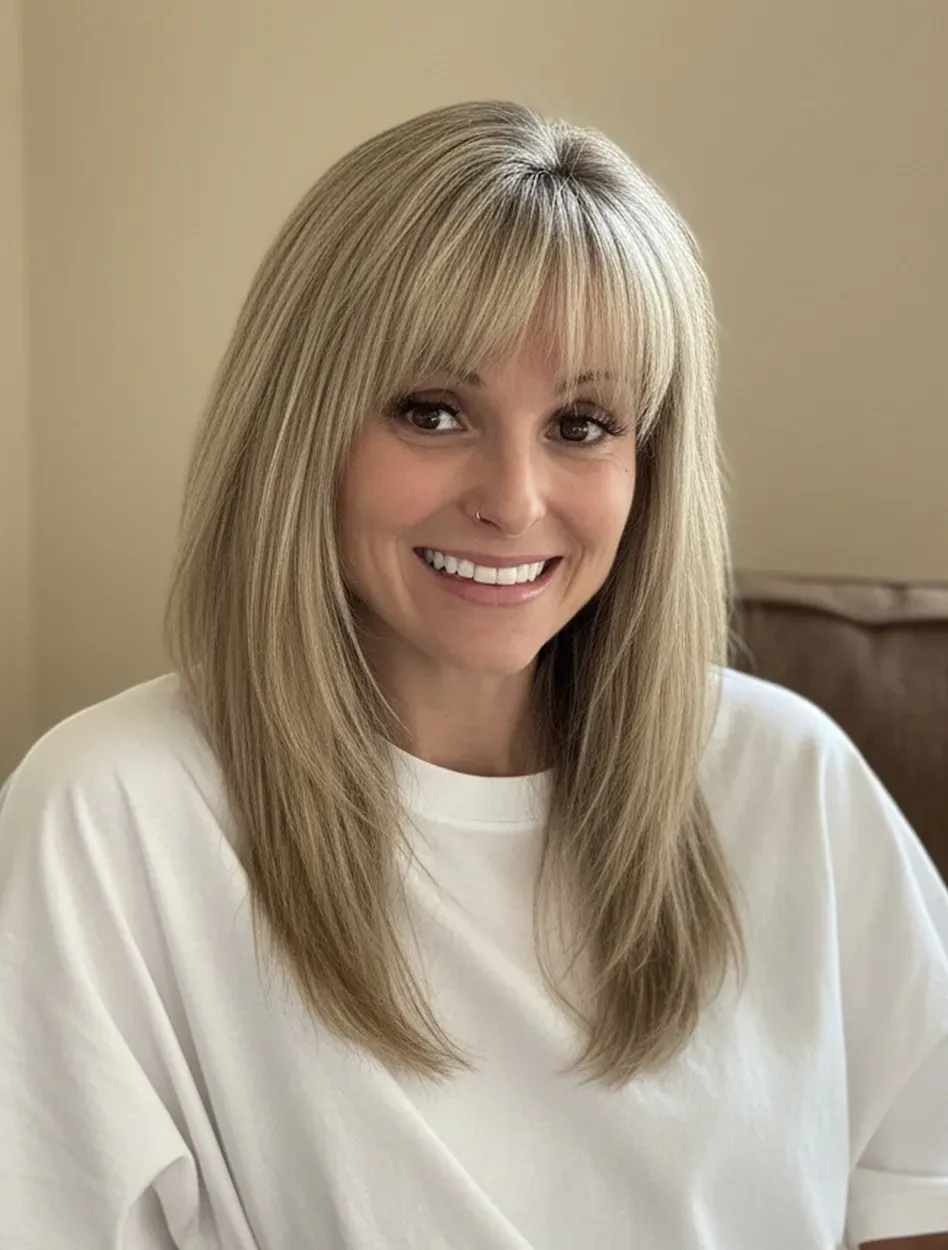
Shanen Norlin is a clinical therapist, behavioral health specialist, and a member of Liven's Board of Health Professionals. Below, she explains what's behind the push and where to start addressing it.
Key Learnings
- Fear of intimacy often is a nervous system response shaped by earlier relational experiences.
- What looks like self-sabotage is frequently a learned protective strategy that once made sense in a different environment.
- The first step is curiosity: asking where the pattern came from.
- Building tolerance for safe connection is a gradual, practice-based process.
Here's how Shanen explains the psychological patterns behind pushing a supportive partner away:
Sometimes the behaviors that push people away aren’t random, they’re learned patterns that once served a purpose. What may look like self-sabotage is often an old coping strategy that developed to keep you safe in a different environment.
For example, if someone grew up in a home where relationships felt unpredictable, chaotic, or emotionally unsafe, they may have learned to stay guarded, expect disappointment, or rely only on themselves. In that context, pulling away, shutting down, or avoiding vulnerability made sense. The challenge is that those same strategies can become maladaptive in healthier relationships. When you’re used to chaos, consistency can feel unfamiliar. Healthy relationships may even feel uncomfortable, boring, or unsafe, because they don’t match what your nervous system expects. This can lead to patterns like creating distance, questioning your partner’s intentions, or struggling to fully let yourself be seen.
Attachment wounds can also play a role. If you’ve learned, consciously or unconsciously, that closeness leads to hurt, abandonment, or rejection, it makes sense that part of you would try to protect against that happening again. Low self-esteem can further reinforce this cycle, especially if there’s a belief that you don’t deserve consistency, care, or healthy love.
The first step in addressing this pattern is awareness without judgment. Instead of asking “What’s wrong with me?”, it can be more helpful to ask, “Where did I learn this, and how is it trying to protect me?” From there, you can begin to notice when these patterns show up in real time, especially in moments of closeness or vulnerability.
Therapeutic work often focuses on slowly building tolerance for safe connection. This might include exploring past experiences, identifying triggers, and practicing new ways of responding, like staying present in moments where you would normally withdraw, or communicating your needs instead of shutting down.
Over time, the goal isn’t to get rid of the protective part of you, but to update it. What once kept you safe may no longer be necessary in the same way, and with support, you can begin to build relationships that feel both safe and sustainable.
How to Start Untangling the Pattern
Shanen's answer reframes the question most people start with: "Why do I keep ruining good things?" vs. "What did I learn about relationships, and is that still true?" That's a shift from self-blame to curiosity, and that's where the work begins.
A few ways to apply it:
- Name the pattern before trying to fix it. Do you go quiet when things get too close? Create conflict when things feel too stable? Pull away right after moments of real connection? Recognizing the specific shape of your fear of intimacy signs is the starting point.
- Ask the older question. Shanen's prompt is worth sitting with: Where did I learn this, and how is it trying to protect me? Attachment wounds are responses to earlier environments. Understanding that the pattern has a logic, even if that logic is outdated, makes it less personal and more workable.
- Don't expect comfort to arrive before you practice. Building tolerance for safe connection works the same way as most skills through repeated, low-stakes exposure. That might look like staying in a conversation you'd normally shut down, expressing a need you'd usually suppress, or letting a moment of closeness land instead of deflecting it.
- If you find yourself asking, "Why do I push people away?" after every relationship, that's worth taking seriously as a pattern rather than a coincidence.
- Couples therapy can be a useful space, as it provides a safe, structured environment to practice being seen, expressing needs, and staying present with a licensed professional.
- Individual therapy for a deeper self-exploration. Exploring attachment wounds, understanding where the fear of intimacy developed, and building new relational responses takes time and guidance.
Shanen points toward something more nuanced than tearing down the walls. The goal is walls that know when to hold and when to open.
FAQ: Fear of Intimacy
What is fear of intimacy?
What are the signs of fear of intimacy?
Are attachment wounds the same as fear of intimacy?
Can fear of intimacy be healed?
How do I stop pushing my partner away?