Natural Cortisol Reset: Simple Strategies to Rebalance Your Body and Mind



Reviewed by
Tara Passaretti, M.S., LMHC


You wake up already feeling behind. Your phone buzzes with messages, your to-do list feels endless, and even before breakfast, your body feels tense and alert. This is what chronic daily stress can look like.
When chronic challenges shape your daily routine, cortisol’s natural rhythm (the hormone that helps regulate energy, alertness, and recovery) gets disrupted. Over time, constant stress quietly reconditions your nervous system to stay on guard even when you’re safe.
Here are 7 key elements of an effective cortisol reset plan, including a sample framework developed in collaboration with a resident licensed clinician, Tara Passaretti, M.S., LMHC.
Key Learnings
- Chronic stress disrupts cortisol levels.
- Cortisol is a hormone produced by the adrenal glands that supports survival.
- The most effective cortisol reset plan focuses on gradually lowering stress hormones through good sleep habits, regular exercise, mindfulness practices, and nutrient-dense foods.
What Makes a Cortisol Reset Plan Work
Use the comprehensive list below to populate your personalized plan for a calmer mind.
1. Relaxation Techniques
High cortisol keeps your body alert. But over time, constantly high levels of stress hormones suppress your parasympathetic nervous system, which is the branch responsible for calm, digestion, repair, and mood regulation. Supporting this system is key to restoring balance.
Yoga Nidra
Yoga Nidra is a guided practice that brings the body into a deeply restorative state while the mind remains lightly aware. Unlike long daytime naps, it helps you feel rested rather than sluggish. Research indicates that regular Yoga Nidra practice strongly reduces stress.
Breathing, Mindfulness, and Vagus Nerve Support
Relaxation breathing exercises and mindfulness meditation help keep cortisol lower during stressful times.
Meanwhile, vagus nerve stimulation exercises reduce cortisol levels more than muscle relaxation alone.
2. Physical Movement
Regular movement helps keep your daily cortisol rhythm steady and prevents chronic stress, but timing and intensity of exercising matter.
Cortisol peaks in the morning, right after you wake up. That’s why intense early-morning workouts coupled with high caffeine intake can sometimes overactivate your stress response.
Evening exercise deserves special mention. Research shows that people who exercise in the evening have lower cortisol the following morning. However, we suggest keeping your evening workouts light (yoga, stretching, or low-intensity cardio are great for this purpose) to avoid overstimulating your nervous system.
3. Digital Boundaries
Constant notifications, multitasking, and screen exposure keep the body in a semi-alert state.
Simple shifts that help:
- Keep meals phone-free
- Block non-essential notifications during focused work
- Create clear offline windows in the evening
This is especially important if you work from home, as fully remote teams are at the highest risk of after-hours stress.
4. Healthy Sleep
Sleep is one of the strongest regulators of cortisol. A consistent sleep schedule, healthy 7-8-hour sleep duration, and intentional sleep hygiene help restore the body’s natural stress rhythm and prevent chronic stress overall.
Without adequate sleep, however, cortisol levels stay high, eventually contributing to weight gain, brain fog, high blood pressure, and problems with mood regulation.
Exposure to blue light during the day increases alertness, while at night it disrupts sleep, metabolic health, and mental health, and is linked to conditions like diabetes and obesity.
Blue light deserves nuance. Studies show that blue light filters improve sleep quality and reduce eye strain, but they also alter cortisol and melatonin levels in unexpected ways.
A few tips to improve your bedtime routine:
| Sleep Habit | Benefit |
| 🌙 Consistent bedtime | Stabilizes cortisol rhythm |
| 📵 Screens off 60 min before bed | Improves melatonin |
| 🛏️ Cool, dark room | Supports nervous system health |
| ✍️ Evening journaling | Helps you focus on what’s going well and contributes to eliminating chronic stress |
5. Stress-Relief Foods
A balanced, nutrient-dense diet helps stabilize energy, support a healthy gut, and reduce inflammation.
Foods to Add
- Fatty fish (Omega-3s support brain health and help restore nervous system health)
- Healthy fats like olive oil and avocado
- Fermented foods like sauerkraut or kefir for gut–brain support
- Leafy greens (a steamed spinach snack is a great, simple magnesium boost)
- Dark chocolate and green tea in moderation
Foods to Limit
- Processed foods and ultra-refined snacks
- Excess sugar
- High caffeine intake
Food insecurity and chronic stress can increase cravings for high-sugar, high-fat foods. Meanwhile, awareness and small, consistent dietary choices can help reduce stress and support nervous system balance.
6. Socialize in Real Life
Long before productivity tools and wellness routines existed, human connection taught the nervous system safety and calm, whether through shared laughter, storytelling, or simple companionship.
If in-person connection feels limited or overwhelming, gentle forms still count:
- Voice notes with a trusted friend
- Shared routines (a weekly walk, a regular check-in)
- Community spaces built around shared values, not team performance.
7. Creative Outlet
Simple creative hobbies are associated with lower depressive symptoms, higher self-reported health, greater happiness, and higher life satisfaction.
The simplest hobbies to start with are:
- Five minutes of sketching
- Playing music without recording
- Cooking without multitasking
- Free-writing without rereading.
A Gentle 14-Day Cortisol Reset Plan
⚠️ Disclaimer: This cortisol reset plan is intended for general education and lifestyle support. It is not a medical treatment and does not replace personalized care from a functional nutrition practitioner.
The idea is to start with very simple habits and gradually layer in additional practices over time.
You can download this sample as a PDF and print it if a traditional pen-and-paper method feels more convenient.
| Phase | Morning | Midday | Evening |
| Day 1-5 |
|
|
|
| Days 6-10 |
|
|
|
| Days 11-13 |
|
|
|
| Day 14 |
|
|
|
Building a Cortisol Reset Plan You Can Actually Sustain
A sustainable cortisol reset plan focuses on small, consistent habits that help you manage stress and support nervous system health. Key areas include:
- Sleep: Establishing consistent routines to regulate cortisol and support recovery.
- Movement: Gentle, regular activity to balance stress hormones and improve mood.
- Nourishment: Nutrient-dense foods that stabilize energy and reduce inflammation.
- Connection: Meaningful social interactions to reinforce safety and calm.
- Emotional Awareness: Practices like mindfulness, grounding, or journaling to build resilience
By starting with manageable steps in each area, you can gradually layer in new habits, creating a plan that is realistic, effective, and tailored to your life.
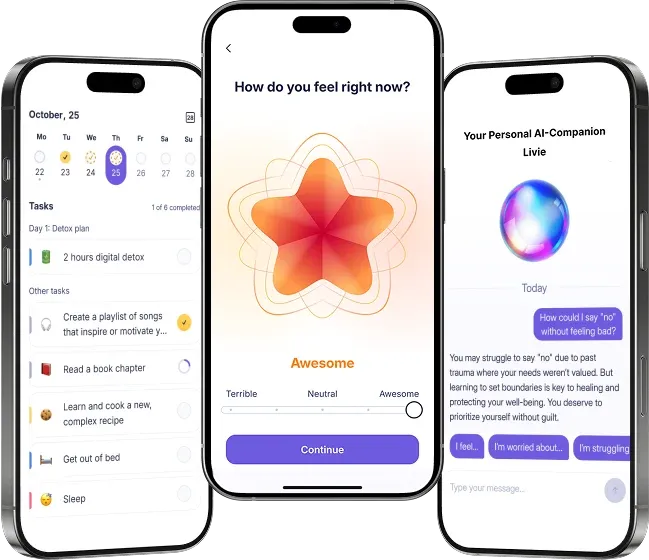
If you’d like extra support, the Liven app (available on Google Play or the App Store) offers the right tools. You can also get practical insights on stress management on our blog.
References
- Anderson et al. (2023). Exercise and cortisol awakening response. European Journal of Applied Physiology. https://doi.org/10.1007/s00421-023-05132-4
- Barber et al. (2023). Reducing “always on” work stress. Organizational Dynamics.
- Chiu et al. (2024). Stress, food insecurity, and cortisol. Appetite. https://doi.org/10.1016/j.appet.2024.107294
- Fan et al. (2024). Mindfulness meditation and cortisol response. Stress. https://doi.org/10.1080/10253890.2024.2316041
- Ghai et al. (2025). Yoga Nidra effects on stress and anxiety. Annals of the New York Academy of Sciences. https://doi.org/10.1111/nyas.70149
Kramer, C. K., & Leitao, C. B. (2023). Laughter as medicine: A systematic review and meta-analysis of interventional studies evaluating the impact of spontaneous laughter on cortisol levels. PLOS ONE, 18(5), Article e0286260. https://doi.org/10.1371/journal.pone.0286260
- Srinivasan et al. (2024). Vagal nerve stimulation and anxiety. Work. https://doi.org/10.3233/WOR-230356
FAQ: Cortisol Reset Plan
What are the signs of elevated cortisol levels?
What should I eat to lower cortisol levels?
How does caffeine affect my cortisol?
What is the role of a functional nutrition practitioner in this process?
Can I lower cortisol through lifestyle changes alone?