What Is the Liven Community, and How Do You Join
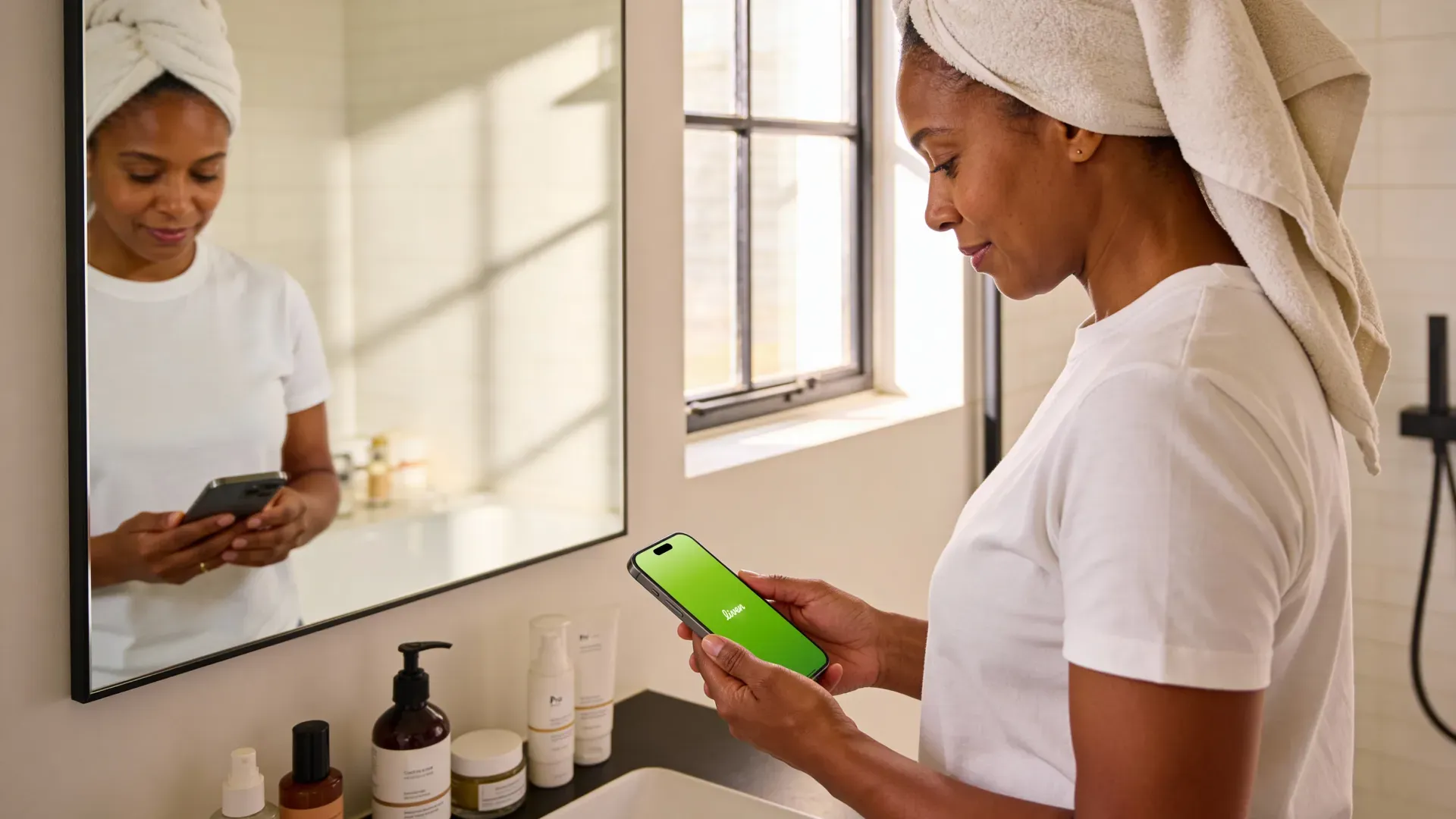


It's late, you've had a rough day, and you're scrolling through the Liven app hoping to find some sign that someone else out there is dealing with the same thing. You check the Explore tab for anything that looks like a comment thread or a familiar name. That's usually the moment the real question shows up: is there an actual Liven community in here, or is it just you and the app?
The word means something different on every app. On some, it's a group chat. On others, a forum full of strangers comparing notes at 2 AM.
Before you download anything or upgrade a plan, it helps to know what you'd be getting: real people to talk to, or content to read. This covers what the Liven community currently refers to, as well as how to be part of it.
Key Takeaways
- Liven does not have an in-app forum, group chat, or public posting feature. Liven’s community refers to the broader base of users, not a social feature.
- If you want a Liven app community in the sense of talking to other members, that currently lives on Liven's social pages, not inside the app itself.
- Liven's closest equivalent to support groups is one-to-one coaching: private and individual, not group-based.
Is There a Liven App Community Feature?
No, not in the sense of a forum, chat room, or shared feed.
Liven's feature set includes:
- Journal: structured prompts for days when a blank page feels like too much
- Mood Tracker: log how you feel, add context, and see it plotted over time
- Self-discovery tests: quick self-assessment snapshots you can revisit, not a diagnosis
- Personalized plans: a step-by-step path built from your onboarding answers
- Smart Companion Livie: a guided conversation when you want to think something through
- Sounds: an audio library for relaxation, focus, sleep, and mindful moments
- To-do lists: small daily tasks that build structure without pressure
- Optional 1-on-1 coaching: private, asynchronous guidance from a certified coach
None of these includes a public profile, a comment section, or a way to message another user.
People do mention Liven on Reddit, TikTok, and in app store reviews. Those spaces aren't run or moderated by Liven, so treat anything you read there as one person's opinion, not confirmed product information.
How to Get Into the Liven Community
If what you want is other people, not just content, here's where that currently lives:
- Start the quiz. Taking Liven's short self-discovery quiz is the entry point most people use first, and it's how you become part of the wider user base the word community refers to.
- Become an app user. Simply using Liven’s daily tools puts you inside the same content and patterns other users are working through, even without direct interaction.
- Follow Liven on Instagram. Liven's Instagram presence is built around self-discovery and community, and it's the closest thing to a public gathering point right now.
- Join the conversation on social media. Liven's community TikTok, as well as page of an AI ambassador, Peter, is a good place to start. Commenting there, or replying to other users sharing their own experience, is one of the more direct ways to find people dealing with something similar to what you're dealing with.
How Community Shows Up Inside the App
The closest thing to a shared experience here is content, not conversation.
Open “Explore” in the app, and you'll see themed collections other users have engaged with. Start a Journey lesson, and you follow the same structured plan that other users may be working through right now. You won't see their entries, their progress, or their names.
Feeling less alone doesn't require a comment thread. Researchers call this “common humanity”: simply recognizing that others are living with something similar, an under-acknowledged mechanism behind why peer support helps at all, even in its quietest forms.




What You Can Expect, and What You Cannot
Expect curated content, a personalized learning path, mood and journaling tools, and optional access to a certified coach or Livie, Liven’s Smart Companion.
Do not expect another user's post, a reply, a message from someone going through something similar, or a live group session. Worth knowing before you pay for a plan, if that kind of company is what brought you here.
What the Liven Community Is Not
Four terms get grouped under community, and they are not interchangeable.
- Wellness community. A broad space built around shared interest in well-being, without formal structure.
- Peer-support group. People with similar experiences supporting each other directly, often without clinical oversight.
- Professionally facilitated group. A group led by a qualified facilitator who guides the discussion.
- Group therapy. A clinical mental health service delivered by licensed professionals. Liven's coaching and Livie are explicitly described as separate from therapy.
Community and self-help tools can support everyday well-being. But they're not substitutes for therapy, medical care, or crisis services.
Does Liven Offer Support Groups?
If you searched for Liven support groups, you're likely picturing scheduled meetings, a facilitator, or peers working through a shared challenge together. Current official materials don't describe a program like that.
What Liven does offer is one-to-one coaching: a paid add-on that connects you with a certified coach via private, asynchronous chat and sometimes video sessions, depending on your plan. That's individual, human support, described as guidance rather than therapy.
If a facilitated group with other members, or a clinical therapy group, is what you need, check with a provider built around that format. Liven's structure right now centers on individual tools and one-to-one coaching rather than group sessions.
The WHO's short explainer on social connection and isolation is a useful context, regardless of whether you use an app-based community:
What to Look for in a Real Online Support Community
If a private app isn't what you're after, and what you want is other people, that's a valid, different need. A few real examples, so you're not starting from scratch:
- Togetherall: an anonymous, peer-to-peer community moderated around the clock by licensed clinicians. It's usually offered free through a university, employer, or health plan, so check whether yours already has access before assuming you'd need to pay.
- NAMI Connection: free, peer-led support groups run by NAMI, with both in-person and online (Zoom) options depending on your local chapter. Led by trained facilitators with their own lived experience, not clinicians.
- 7 Cups: free, anonymous 1:1 chats with trained volunteer listeners, plus topic-based group forums. Worth knowing upfront: listeners are volunteers, so quality varies more than in a clinically-moderated space.
- The Mighty: a free, condition-specific community with 700+ groups spanning mental health, chronic illness, and more. More like a social feed than a clinical space, good if you want to find people with your exact situation.
A few things worth checking on any platform, including these:
- Active moderation. Someone is watching for harmful content, not just relying on users to self-police.
- Clear reporting and blocking tools. You should be able to flag a post or person in a couple of taps.
- Visible privacy settings. You can control whether your posts are public, anonymous, or restricted, and that setting is easy to find.
None of this replaces professional care. A well-run peer community, a self-guided app, and therapy are each good at something different.
A Simple Way to Decide What You Need
Liven may fit your needs when you want private reflection tools, structured content, and optional individual coaching, and would rather work through things on your own than in a group.
A dedicated peer-support platform may be a better fit when you want to connect directly with people who share your experience, ideally one with clear moderation, reporting tools, and visible privacy settings.
Professional care may be more appropriate when you need an assessment, a diagnosis, or a treatment plan. A licensed therapist or a clinical support group offers a level of individualized care that no app, including Liven, is built to provide.
If you feel unsafe or may harm yourself or someone else, contact local emergency services or a crisis line in your country right away. An app is not built for urgent, real-time support.
If you're still working out what kind of support you need, Liven's quiz is a short, low-pressure way to reflect on what you're dealing with and know where to start.
References
- Yuan, S., Davidson, G., Kurten, S., & Best, P. (2026). Effectiveness and experiences of online mental health peer support for young people: Systematic scoping review. JMIR Mental Health, 13, Article e83139. https://mental.jmir.org/2026/1/e83139
- Kotera, Y., Llewellyn-Beardsley, J., Charles, A., & Slade, M. (2024). Common humanity as an under-acknowledged mechanism for mental health peer support. International Journal of Mental Health and Addiction, 22(3), 1096–1102. https://doi.org/10.1007/s11469-022-00916-9
FAQ: Liven Community
What is the Liven community?
Does the Liven app have a community feature?
Can Liven users talk to each other?
Does Liven offer support groups?
Is the Liven community moderated?
Is information shared in the Liven community private?
Can the Liven community replace therapy or a support group?
How do I access community-related features on Liven?