Why Stress Eating Happens and How to Manage It
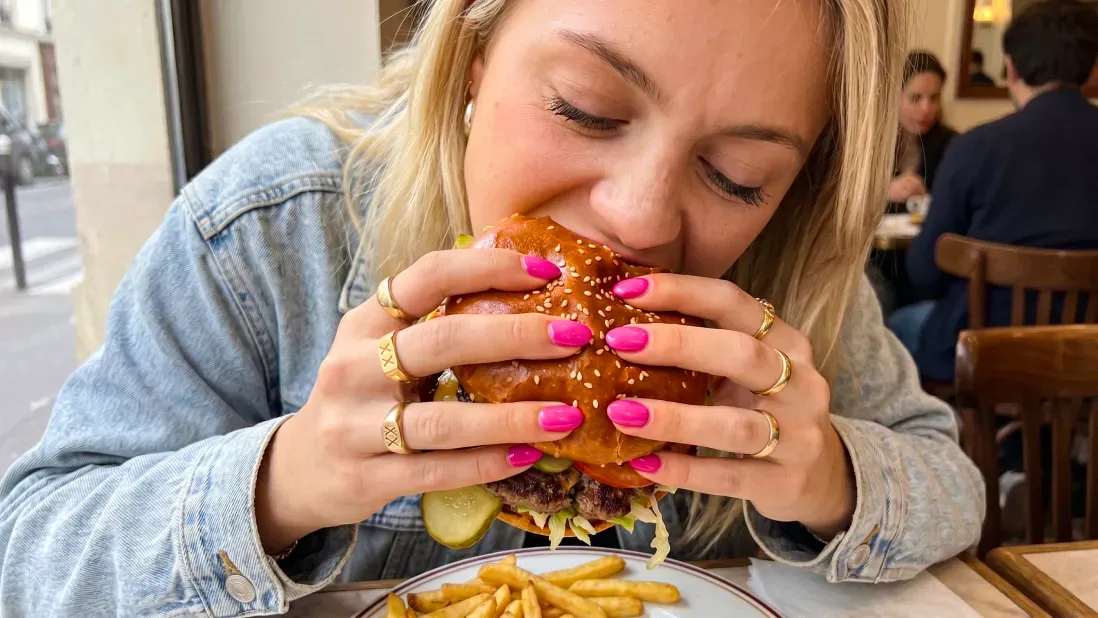



Ever found yourself standing at the open fridge after a hard day, not really hungry, but reaching for something anyway?
Maybe work felt like too much, or some small thing kept needling at you all afternoon. So you scan the fridge, then the cabinet, and land on whatever's quick and comforting, such as chips, chocolate, or last night's leftovers. For a few minutes, it helps. There's a little relief, a pause from everything else. But soon after, you feel heavy, maybe a bit annoyed at yourself, wondering why you ate that at all.
This pattern is called stress eating.
Key Learnings
- Stress eating is a response to emotional or mental strain.
- It often provides temporary relief, which is why the pattern repeats.
- Awareness is more effective than strict control in managing stress eating.
- Small pauses can help interrupt automatic reactions and allow you to make more intentional decisions.
- Building alternative coping strategies reduces reliance on food over time.
Why Stress Eating Happens in the First Place
When you're under stress, whether from pressure, uncertainty, boredom, or emotional strain, your body looks for ways to regulate itself. Food, especially comforting food, becomes one of the fastest and most accessible tools.
Many people assume emotional eating only happens during negative emotions, but positive emotions can drive eating too.
People often eat in response to:
- Happiness
- Excitement
- Celebration
- Relief
- Love and connection
However, sometimes the answer isn't about food at all. A new relationship, a stressful transition, loneliness, grief, uncertainty, or even a positive life event may be increasing the need for comfort, stability, or reward. Recognizing those connections can make emotional eating feel much less mysterious and much easier to navigate with self-awareness rather than self-criticism. We can track our lif events in the Liven app to get a heads-up when major life stressors are coming our way.
Was there something tragic that happened on a certain day? Let's track it so we will know ahead of time when a strong emotional time is coming our way.
It works in the short term and provides quick relief, which is why it keeps happening. It's your internal system trying to cope with something that feels uncomfortable or unresolved.
To better understand this process, it helps to look beneath the surface.




1. Your Body Is Trying to Calm Itself
When you're stressed, your body releases cortisol. As time passes, elevated cortisol has been shown to increase hunger and intensify cravings for high-fat, high-sugar foods, which is your body's way of seeking a fast reset. That's what can make comfort food feel so hard to resist in the middle of a stressful day.
2. It Fills An Emotional Gap
Sometimes the urge to eat can come from restlessness, loneliness, frustration, or mental fatigue rather than from physical hunger. In those moments, food can feel like it offers comfort or helps fill an internal space, even when the feeling itself doesn’t fully go away. That’s why you might notice yourself eating after a full meal or reaching for snacks almost automatically.
This is often described as emotional eating. While it can overlap with stress eating, emotional eating is more broadly connected to using food in response to internal emotional states rather than physical hunger.
3. It Creates a Pause
Eating can also act as a pause. In the middle of a stressful day, stepping away to eat gives you a moment to stop, even if you don't intend it that way. It creates a brief break from whatever you're dealing with. The relief is usually temporary, but your mind can associate the two things, and then the pattern can start to repeat because of that short sense of ease.
4. It's Tied to Habit Loops
Over time, your brain begins to connect stress with food. Research confirms this isn't just perception, as a study found that daily stress predicted greater emotional eating, and that emotional eating in turn predicted higher stress the following day, forming a cycle that can persist for days at a time. The more often this loop plays out, the more automatic it becomes.
Why It Can Feel Hard to Stop
If you've ever tried to force yourself to stop stress eating, you might have noticed it doesn't work that simply. That's because you're trying to interrupt your mind's coping mechanism.
If the underlying stress persists, your system will look for another way to regulate, and without alternatives, it often returns to what's familiar. That's why stress eating cannot be managed by imposing restrictions directly. A better way is to build awareness and find new ways to respond.
Stress can affect appetite-regulating hormones and shift attention away from physical hunger cues. In some people, stress reduces appetite, while in others it increases the urge to eat for comfort, distraction, or relief rather than nourishment.
Poor sleep can increase stress levels while also making it harder to regulate hunger and cravings. When stress and sleep deprivation occur together, many people find it more difficult to make intentional food choices.
How to Manage Stress Eating With No Pressure
There’s no single instant solution, but these small shifts can make a real difference as you continue practicing them.
Finding a More Supportive Way to Respond
The goal is to change your relationship with eating without judgment. As you start noticing your triggers, pausing more often, and responding with more awareness, things may begin to shift.
You may feel less out of control around food, experience less guilt, and find that your choices feel more intentional. Over time, stress itself can feel more manageable when your emotions are well-regulated, and your response becomes less about reacting automatically and more about understanding what you need in that moment.
Writing down a few thoughts or noticing how your mood changes throughout the day can make patterns easier to see without holding everything in your head. Tools like the Mood Tracker or Journal in the Liven app can support this process.
As that awareness grows, your reactions feel less automatic. You begin to recognize what your body is asking for and respond in a way that feels steadier and more intentional. These changes don’t need to be big. Small, repeated shifts are often enough to make things feel lighter and more manageable.
References
- Cook, A., & Champion, J. (2025). Nutritional psychology: Understanding the relationship between food and mental health. CRC Press. https://doi.org/10.1201/9781032647647
- Fowler, N., Mikhail, M. E., Neale, M., Keel, P. K., Katzman, D. K., Sisk, C. L., Burt, S. A., & Klump, K. L. (2023). Between- and within-person effects of stress on emotional eating in women: A longitudinal study over 49 days. Psychological Medicine, 53(11), 5167–5176. https://doi.org/10.1017/S0033291722002185
- Gager, E. (n.d.). Tips to manage stress eating. Johns Hopkins Medicine. https://www.hopkinsmedicine.org/health/wellness-and-prevention/tips-to-manage-stress-eating
- Lengton, R., Schoenmakers, M., Penninx, B. W. J. H., Boon, M. R., & van Rossum, E. F. C. (2025). Glucocorticoids and HPA axis regulation in the stress-obesity connection: A comprehensive overview of biological, physiological and behavioural dimensions. Clinical Obesity, 15(2), Article e12725. https://doi.org/10.1111/cob.12725
- Papalini, S. (2024). Stress-induced overeating behaviors explained from a (transitory) relief-learning perspective. Physiology & Behavior, 287, Article 114707. https://doi.org/10.1016/j.physbeh.2024.114707
FAQ: Stress Eating
What are common stress eating habits?
How can I tell the difference between emotional eating vs. stress eating?
What are some simple tips to stop stress eating?
Is stress eating always unhealthy?
Why do stress eating habits feel so hard to break?
Can managing stress reduce stress eating?