What Are Good Alternatives for Meditation Apps?


Meditation apps can be a powerful way to practice mindfulness, support emotional regulation, and reduce stress by encouraging present-moment awareness. For many people, guided meditations and structured routines help create consistency and a sense of psychological safety.
However, meditation is not universally accessible or suitable, particularly for individuals experiencing heightened stress, trauma responses, or difficulty with sustained attention. Sometimes we look for other apps to address specific needs.
Our practices and healing should align with our nervous system, preferences, and current capacity; then we might notice steady improvement. This article explores the best alternatives to meditation apps that offer different, supportive pathways to well-being.
Key Learnings
- Meditation apps are helpful for many people, but alternatives focusing on self-discovery, sleep, and fitness can better support different nervous system needs, preferences, and life stages.
- Tools that support reflection, sound-based sleep, or physical activity offer practical, accessible pathways to well-being.
- Mental well-being improves when you mix various meditation styles with journaling, breathing exercises, movement, or sleep stories.
Self-Improvement Alternatives to Mindfulness Meditation Apps
Although mindfulness apps are valuable tools that help users feel more self-aware, many people seek programs that enable a more specific exploration of their thinking patterns, goals, and identity.
1. Liven, a Self-Discovery Companion
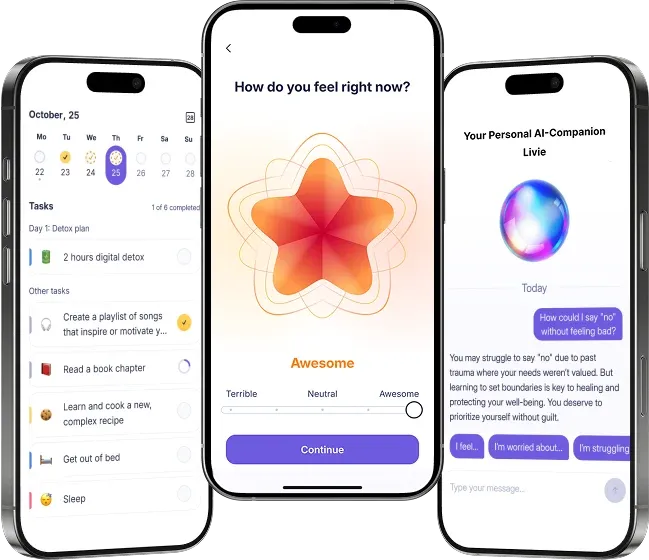
Liven is a self-discovery and personal growth app designed to help users understand their thoughts, moods, and patterns through guided reflection and psychological insight. It is a tool that combines mood tracking, self-reflection, and personalized programs to support emotional awareness and behavior change.
Core Features:
- Mood Tracker
- To-Dos
- Smart companion Livie
- Personalized plan
- Mental health tests
- Soundscapes
- Bite-sized courses.
Platforms:
The Liven app is available on the Apple App Store and Google Play.
Pricing:
Liven's weekly subscription starts from $7.99.
If you want to explore this all-in-one alternative to other meditation apps, take a quiz and get your personalized dopamine management plan.
2. UpLife, a Wellness App
UpLife is a personal CBT-informed well-being app that guides users on a self-improvement journey. Rather than just offering meditation, it provides short daily sessions with exercises designed to improve emotional regulation, stress management, self-esteem, and personal growth.
Core Features:
- Audio-based self-care journeys
- Mood & wellbeing tracking
- Habit and ritual calendar
- Interactive exercises
- Meditation practices
- AI assistant for personalized support.
Platforms:
UpLife is available on the App Store and Google Play.
Pricing:
UpLife's premium starts from $9.99/month.
Meditation Apps Alternatives for a Restful Sleep
Many people struggle with sleep onset, sleep maintenance, or nighttime restlessness — issues that meditation tools don't always address directly. That's when sleep-focused apps often show highly promising results.
Sleep-focused apps often have libraries of meditations, but they aren't the main focus of such tools.
3. Pzizz, a Unique Sleep Sounds App
Pzizz is a sleep-support app built on psychoacoustic science that uses dynamic "dreamscapes." These dreamscapes blend gentle background music, calming voice guidance, and ambient sounds to help users fall asleep faster, nap, and wake feeling refreshed.
Core Features:
- Sleep, Nap, and Focus modules
- Psychoacoustic soundscapes that vary each session
- Customizable voiceover, calming music, and duration
- Offline listening
- Sleep history tracking and custom alarms.
Platforms:
Pzizz can be downloaded on the App Store and Google Play Store.
Pricing:
Pzizz is free to download and includes the "Classic" mode, which provides limited free content. It also offers a free trial of the Premium version. Users can unlock premium content with a $7.99 monthly subscription.
4. myNoise, a Customizable Soundscape Platform
myNoise is a customizable soundscape platform that offers a variety of background sounds to support sleep, focus, and relaxation. Rather than guided meditations or sleep stories, myNoise lets users blend and adjust sound frequencies, such as rain, ocean waves, or white noise, to create an environment for better sleep.
Core Features:
- One of the largest free libraries of noises
- Adjustable sliders to personalize sound frequencies
- Tinnitus relief and stress-support sound options
- Noises that help you practice meditation.
Platforms:
You can download myNoise on the App Store and Google Play Store, but it also features a vast library of sounds in the browser.
Pricing:
myNoise is a free app, but users can make one-time purchases from $14.99 to unlock all app features.
Fitness Apps as Meditation Apps Alternatives
Fitness-focused apps help users engage their bodies through movement, build strength, improve cardiovascular health, address mental health concerns, and support overall physical well-being in ways that traditional meditation apps often don’t. They sometimes incorporate basic meditation practices, especially when they blend mental and physical benefits.
5. Glo, Yoga Classes With a Straightforward Approach
This app offers a wide library of on-demand fitness classes that combine strength training, cardio, yoga, Pilates, and flexibility work. Glo designs all its movement courses with holistic wellness in mind.
Core Features:
- On-demand workouts including HIIT, strength, cardio, yoga & Pilates
- Extensive class library with varied duration and intensity
- Professional instructors and structured learning paths
- Meditation courses
- Offline downloads for workout access anywhere
- Sync with health apps and wearable metrics.
Platforms:
Glo is available on the App Store and Google Play.
Pricing:
After a seven-day free trial, users can purchase Glo's monthly premium for $30.
6. Down Dog, a Yoga and Mindfulness Coach
Down Dog is a versatile fitness and wellness app best known for delivering customizable yoga practice sessions that adapt to your preferences every time you open it. Although the app offers a library of meditations, it primarily focuses on yoga as its key strength.
Core Features:
- Personalized yoga sequences
- Multiple practice types, including Yoga, stretching exercises, Pilates, HIIT, and Barre
- Adjustable settings for duration, focus, voice, pace, and music tracks
- Custom Boost options to target specific areas
- Offline access and device syncing.
Platforms:
Down Dog is available on both the App Store and Google Play.
Pricing:
Down Dog offers dynamic pricing plans, with annual subscriptions priced at around $30-40.
A Complex Approach to Your Well-Being
It's not always possible to land on your ideal app from the get-go. As a rule, it takes a few tries with a program, or a few programs, to find what you've been looking for. Mental health is dynamic, and what works best can change depending on your stress levels, life stage, or nervous system needs. Experimentation allows you to notice what feels regulating, accessible, and sustainable for you. Your own practice is totally different from what all the apps offer, and you know what app features you need. Learn breathing techniques, access meditations, try body scans, and do yoga. The more you try, the richer your toolkit will be — and then, you'll also know what non-meditation apps you want to download and use on a long-term basis.
References
- Vollert, B., Müller, L., Jacobi, C., Trockel, M., & Beintner, I. (2023). Effectiveness of an app-based short intervention to improve sleep: Randomized controlled trial. JMIR Mental Health, 10. https://doi.org/10.2196/39052
FAQ: Alternatives for Meditation Apps
Are meditation apps the only effective way to support mental well-being?
What are good alternatives if I struggle with guided meditations or meditation sessions?
Can apps like Insight Timer still be useful if I’m not focused on mindfulness meditation?
Are there completely free alternatives to paid meditation apps?
How do sleep apps differ from meditation apps with sleep stories or sleep meditations?
How do I choose between meditation apps and other mental health apps?
Are meditation apps worth it?