9 Self-Discovery Games That Boost Self-Awareness and Mindfulness



The biggest impediment to finally starting to work on yourself is that “work” is a word our brains associate with a boring, difficult assignment. So why even start it, right? Surprisingly, self-discovery doesn’t have to feel like work. It can actually be fun.
Check out the self-discovery games we’ve prepared for you that help you try on different perspectives, emotions, and responses in no-pressure settings.
Key Learnings
- Self-discovery games are designed to help you explore different aspects of your personality, values, relationships, and emotions in ways that feel natural.
- Self-discovery games come in different forms: card games, mobile phone apps, and computer games.
- Self-discovery games only work when paired with reflection and practice.
Your Self-Discovery Game Library
These 9 games were designed in various forms (card games or digital) and for different purposes, such as emotional awareness or social connection. Still, what unites them all is the focus on self-awareness.
1. Reflection-Based Solo Games
These games encourage quiet reflection and help you gain a clear understanding of your inner world and core values.
The School of Life: Know Yourself
Created by the team of philosopher Alain de Botton, this card game offers thought-provoking prompts on your past, future, values, and relationships. Each card poses surprisingly insightful questions that you might never think to ask yourself.
The game reminds you of a structured self-reflection session that doesn’t cause a feeling of doing typical therapy homework.
GRIS
In the game, you guide a young woman through a fading world that mirrors her emotional journey through grief and transition. No words, no dialogue, just emotion expressed through stunning watercolor art and music.
As you progress through the game, the colors gradually return, which is a powerful metaphor for healing.
Unpacking
You unpack boxes across different life stages, from childhood bedroom to first apartment to eventual settling down. The storytelling happens entirely through objects without any text or exposition.
You piece together the protagonist's story through what they keep, what they discard, and how they arrange their space.
The game is incredibly meditative, triggering fascinating reflections on your relationship with possessions and what they represent.
2. Mental Wellness Games
These games focus specifically on emotion regulation, mental health support, and daily well-being practice.
Kind Words
Kind Words is a great game if you feel isolated or want to practice empathy (though note: teens should use it with parental awareness due to the open internet component).
In the game, you write anonymous letters to strangers who need encouragement, and receive letters when you need support.
There's definitely something profound about the honesty that emerges when people communicate without social performance.
Peak
Peak is ideal for anyone who enjoys measurable progress and cognitive challenges. In the app, you play a variety of mini-games designed to train focus, memory, problem-solving, and mental agility.
As you complete exercises, Peak uses principles from cognitive science to provide insights into how your brain performs under different conditions.
The app tracks your progress, offers personalized recommendations based on your performance, and encourages daily use to see real improvement.
Finch: Self-Care Pet
In the game, you care for a little bird that grows as you complete self-care tasks.
Designed for beginners in self-discovery, it helps adults and teens build routines through supportive reminders and emotional check-ins.
In addition, Finch is more than just fun. It can easily become part of your personalized dopamine management plan, as it helps you understand which activities boost your motivation, mood, and focus in daily life.
The tone is warm and encouraging, helping players develop self-compassion and emotional awareness through consistent practice.
🤔 Did you know? Studies on discovery learning show that playful, exploratory activities boost motivation, creativity, and emotional engagement (and even increase serotonin levels) — the same mechanisms that make self-discovery games effective tools for reflection and personal insight.
3. Relationship & Social Discovery Games
These games are perfect for game nights with your friends or a romantic partner.
The And (Skin Deep)
Different editions focus on different relationships. There's a self-love edition, a couples version, and a friends edition. Each card game prompts vulnerability through carefully crafted questions.
Excellent packaging and card design. Acts as a great ice breaker at parties.
Requires everyone to show up with honesty: if someone's defensive or sarcastic, the process falls flat.
We’re Not Really Strangers
The game's viral success comes from its “Three-Level Structure,” which mimics a fast-tracked approach to building a friendship. The levels are Perception, Connection, and Reflection, which all move you from generic "What was your first impression of me?" to more personal, aka "What's your favorite childhood memory?" questions.
The elements of surprise and vulnerability are carefully balanced. The ability to use it with strangers, close friends, or a romantic partner makes it versatile.
Where Should We Begin
Created by legendary couples therapist Esther Perel, this card game brings her clinical expertise to your living room. Questions address conflict, intimacy, values, future planning, and everything else that matters in long-term relationships.
Professionally designed to surface important conversations before they become explosive challenges.
Not recommended if you're in an acute conflict stage because some questions might feel like triggers for an even deeper rupture.
Mistakes to Avoid
1. Treating games as entertainment only
The game is the vehicle, not the destination. After you play, take five minutes to sit with what came up. What surprised you? What made you uncomfortable? What do you want to remember? That reflection phase is where the actual learning happens.
2. Expecting instant transformation
Personal growth doesn't work like video games, where you level up and suddenly have new abilities. A single self-discovery experience might spark an "aha" moment, but lasting change comes from repeated practice.
3. Choosing too intense experiences
If you're not ready, intense reflection can overwhelm rather than enlighten. It's okay to start with lighter games and gradually build your awareness. For instance, choose Peak or Finch before GRIS.
4. Skipping the reflection
The magic happens when you describe what you noticed, when you talk about patterns that emerged, and when you create connections between the game experience and your actual life.
Without this process, you've just had an entertaining evening — which is fine! But it's not self-discovery.
Turning Play Into Personal Growth
Self-discovery games offer a fascinating way to slow down, explore your inner world, and create a meaningful connection with yourself and others. Through thoughtful play, honest conversation, and ongoing practice, these experiences help you discover hidden values, strengthen relationships, and build deeper emotional awareness.
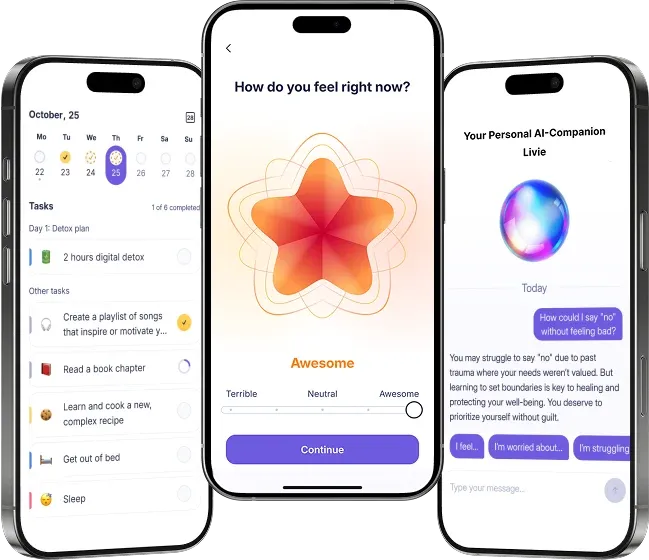
Ready to continue your self-discovery journey? Try the Liven app (Google Play or App Store), dive into the Liven blog for more insights, or take Liven’s free wellness tests to better understand your current mental health.
References
- Aldalur et al. (2023). Gamification and discovery learning: Motivating and involving students in the learning process. Heliyon, 9(1), e13135. https://doi.org/10.1016/j.heliyon.2023.e13135
- Zainiyati et al. (2023). The influence of discovery learning on serotonin hormones and student learning achievements. Journal of Innovation in Educational and Cultural Research, 4(4). https://doi.org/10.46843/jiecr.v4i4.1186
FAQ: Self-Discovery Games
How do self-discovery games help build self-awareness and meaningful connections?
Are self-discovery games worth the price and safe to use?